English
 Faculty News
Faculty of Education for Early Childhood Launches Its Third Scientific Forum for Postgraduate Students


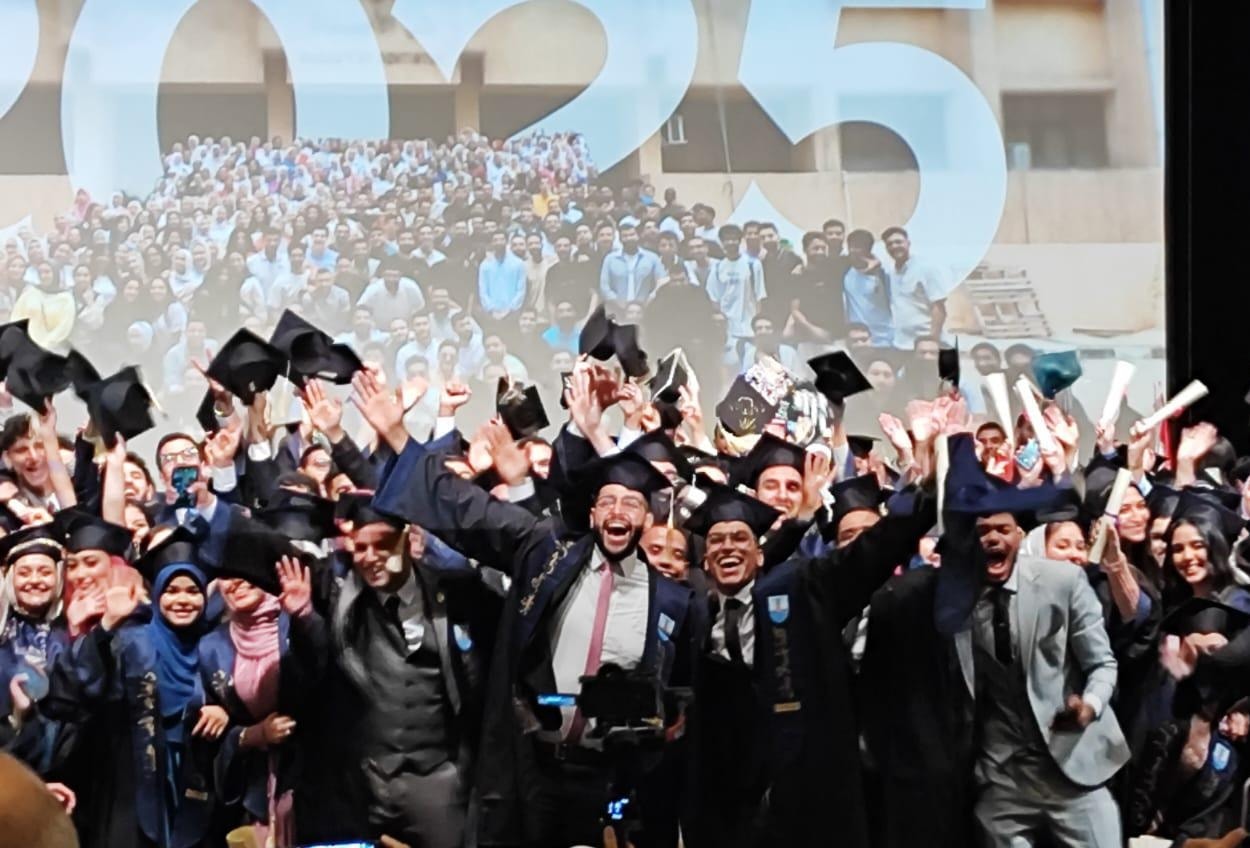
Faculty of Dentistry Celebrates the Graduation of Class 77
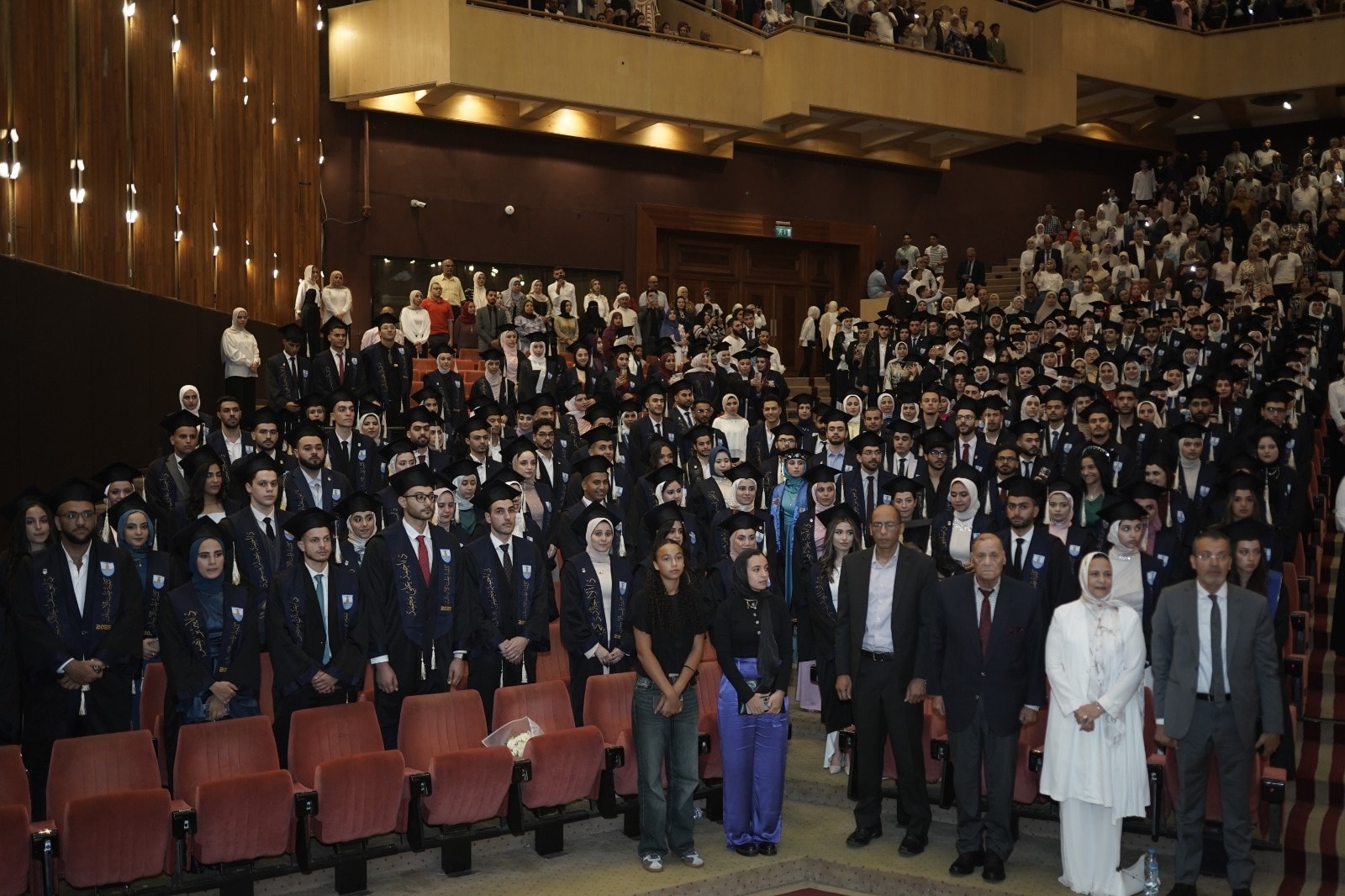
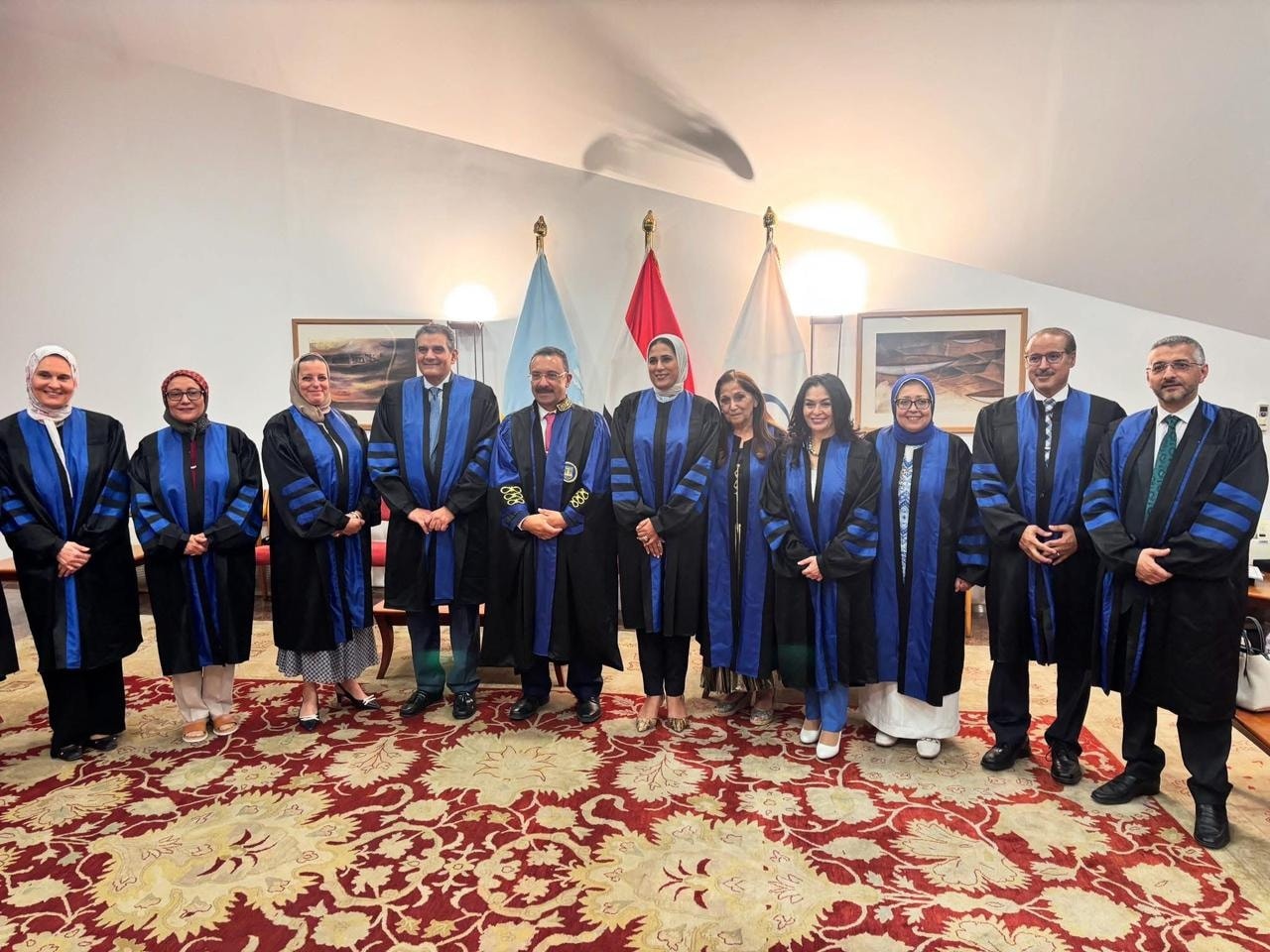
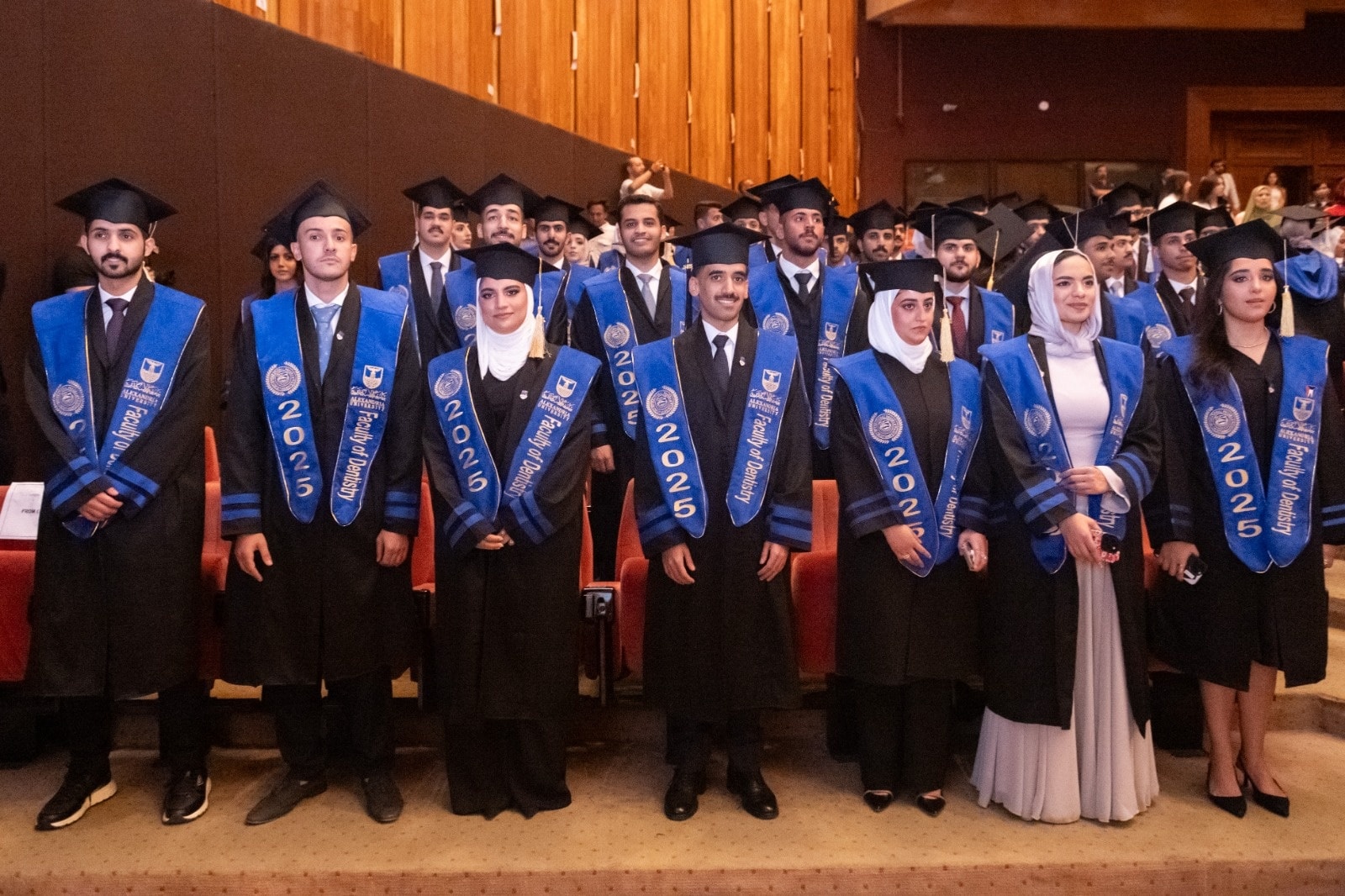
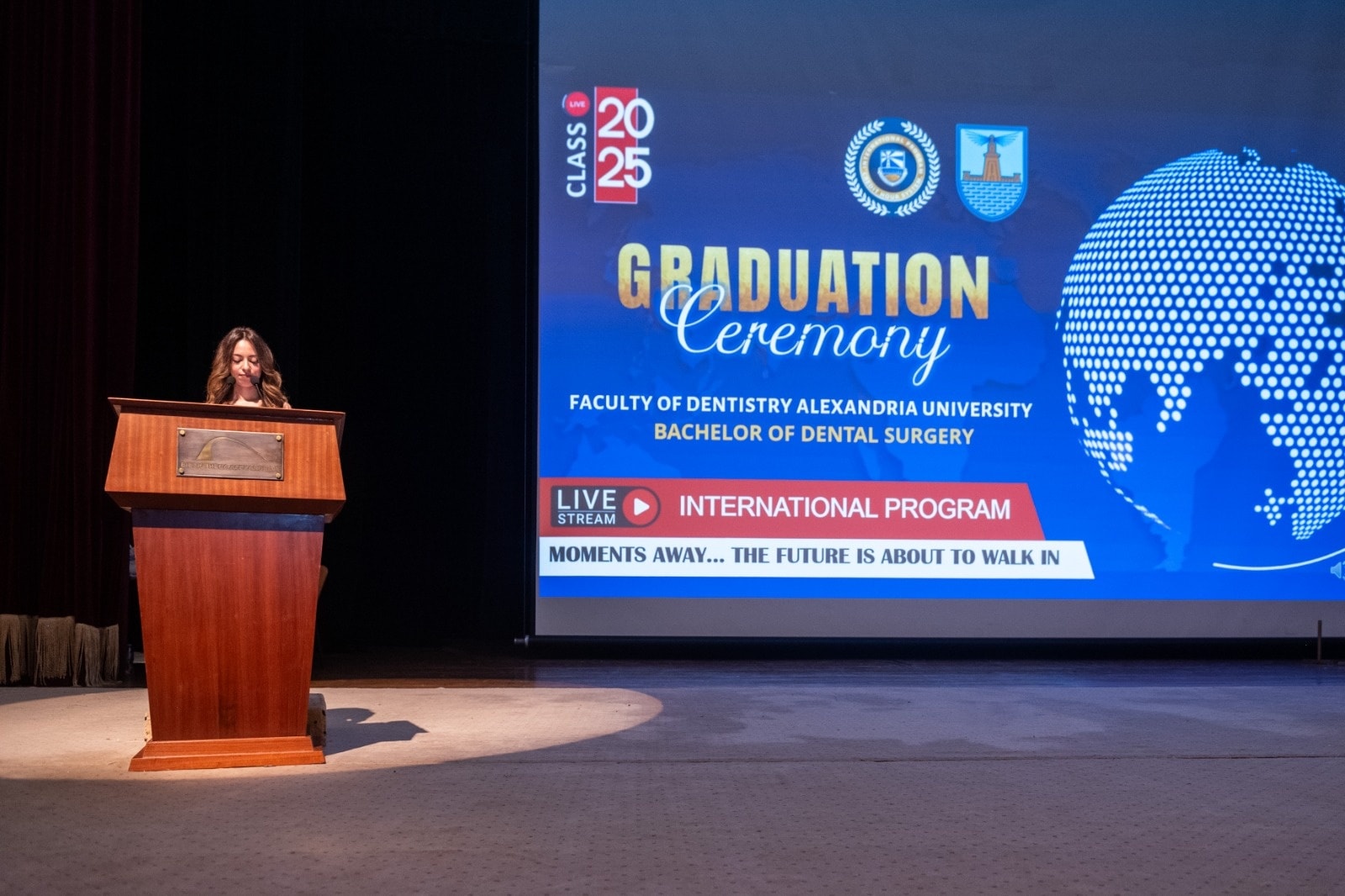
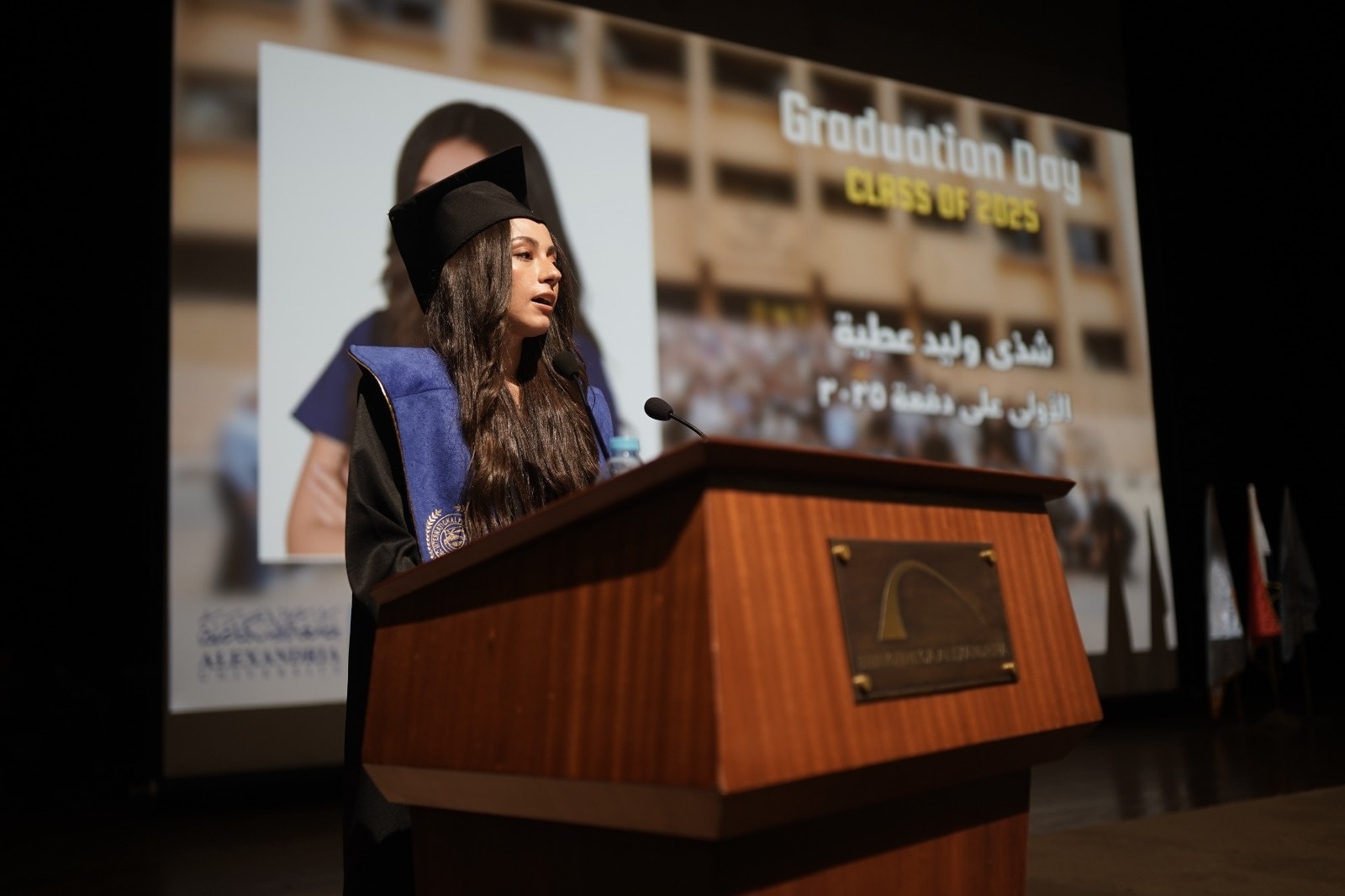
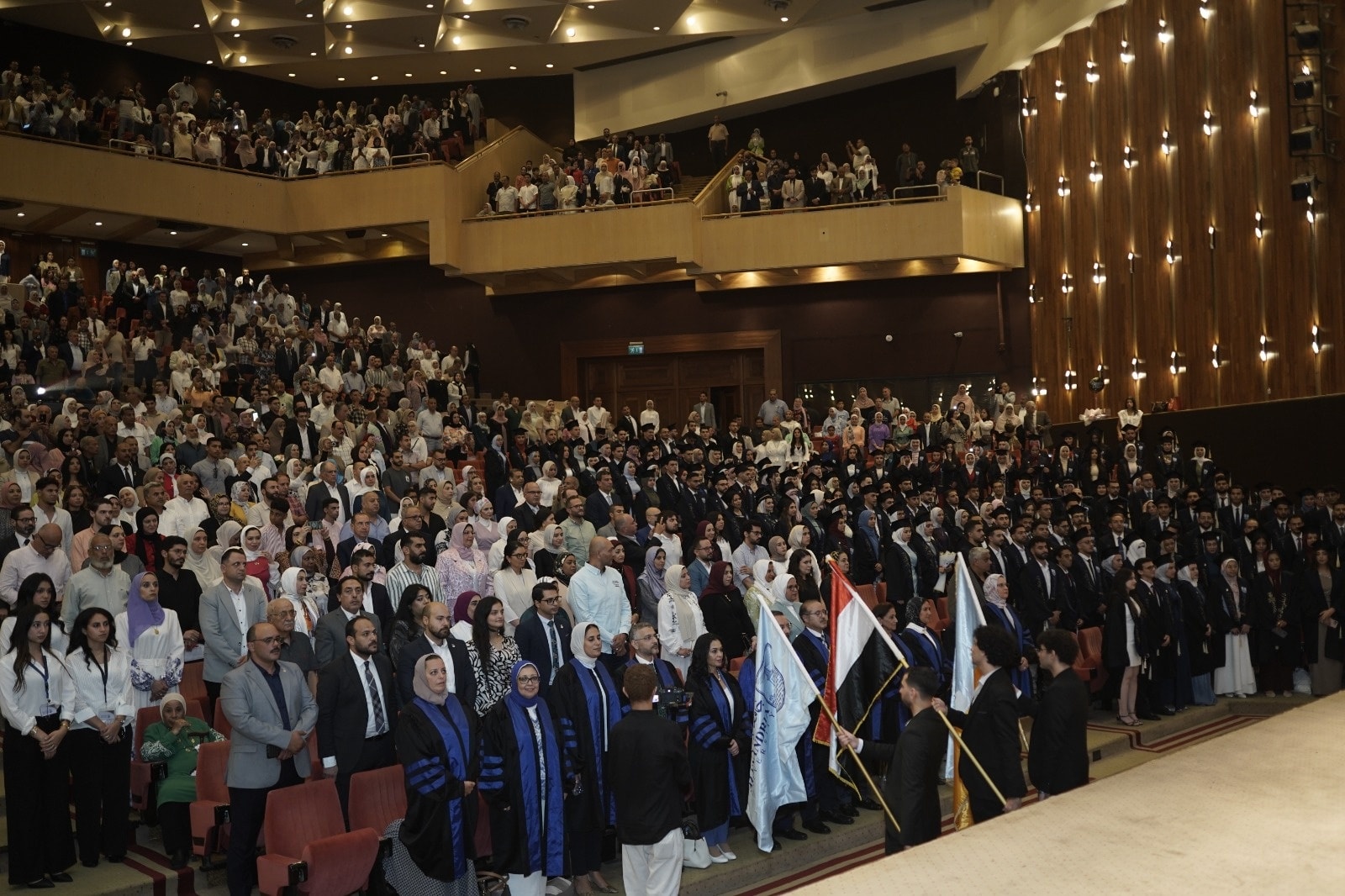
Under the auspices of Dr. Abdelaziz Konsowa, President of Alexandria University, the Faculty of Dentistry celebrated the graduation of its 77th cohort, the Class of 2025, during a grand ceremony held last night at the main conference hall of the Bibliotheca Alexandrina.
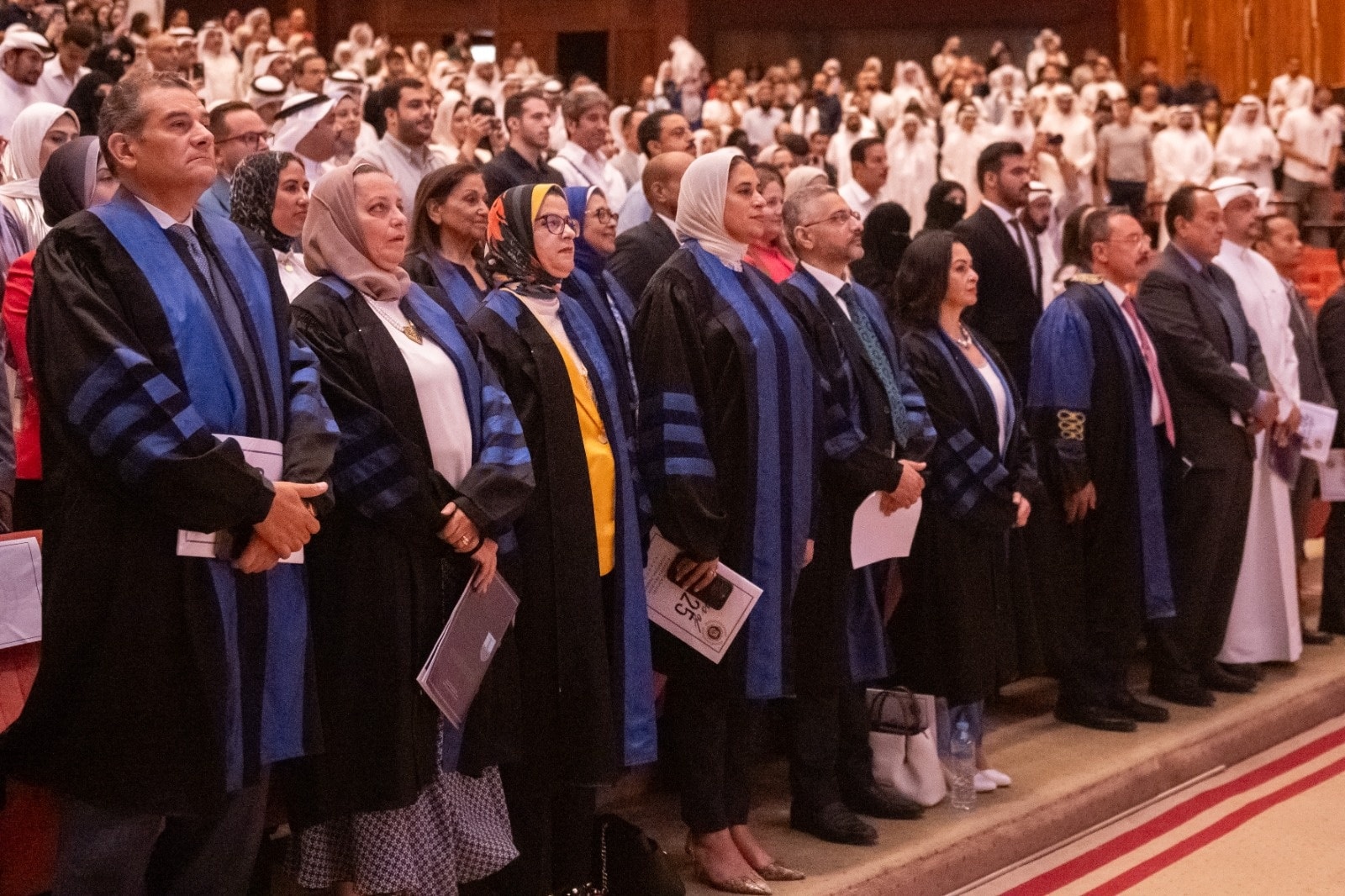
The event was attended by Dr. Ahmed Adel Abdel Hakim, Dean of the Faculty, faculty vice deans, H.E. Ambassador Ghanem Saqr Al-Ghanem, Ambassador of the State of Kuwait to Egypt, Dr. Khaled Al-Mohareb, Head of the Kuwaiti Cultural Office, as well as representatives from the Malaysian Embassy, faculty members, students, and their families.
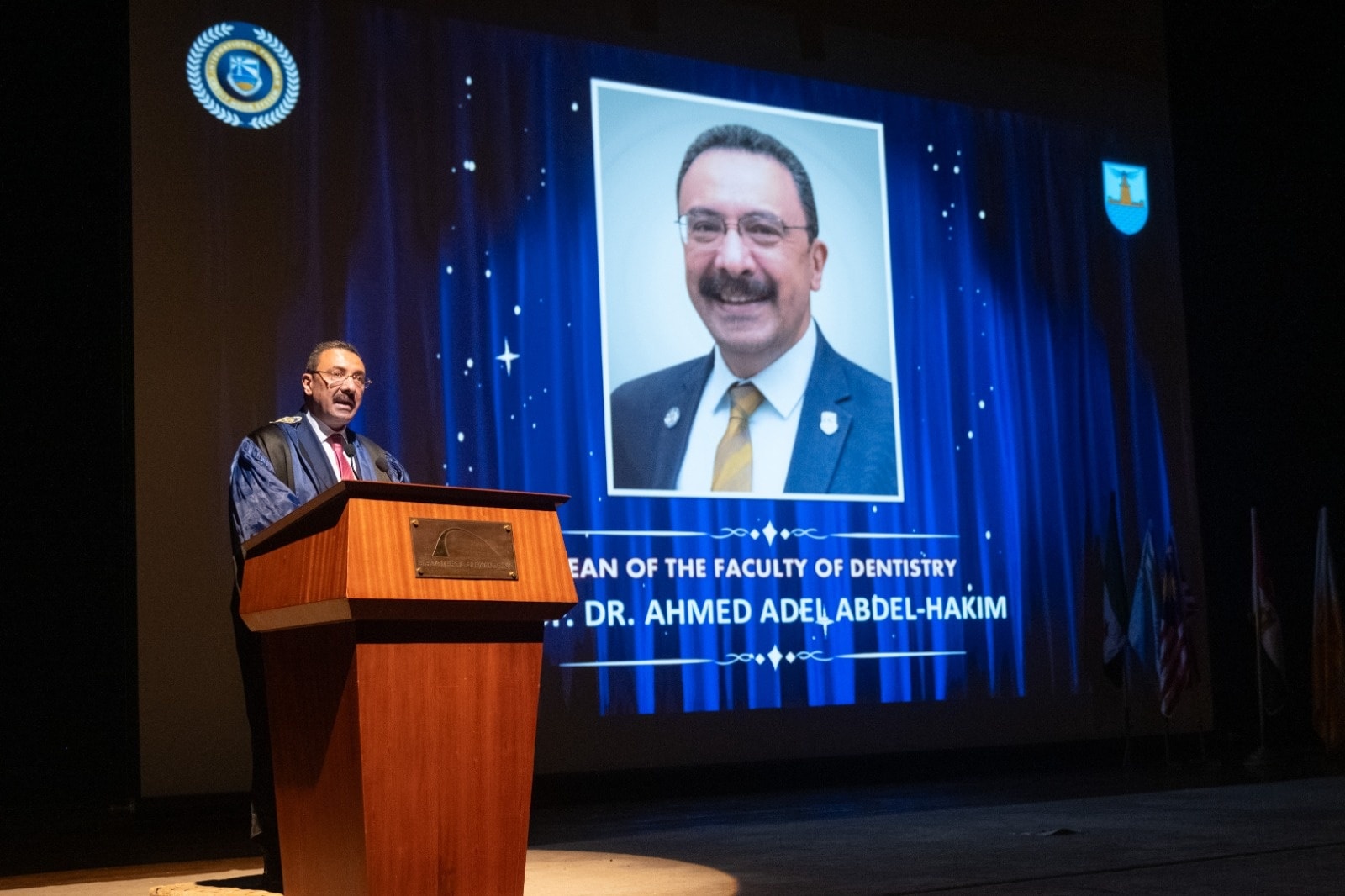
In his speech during the ceremony, Dr. Ahmed Adel Abdel Hakim, Dean of the Faculty, expressed his joy at this exceptional moment which embodies the fruit of years of hard work and dedication. He extended his sincere thanks and appreciation to all who supported the students throughout their journey — the faculty members who were academic and moral pillars, and the parents who provided unwavering support and care for their children.
The Dean emphasized that graduation is not the end, but rather the beginning of a new chapter filled with challenges and responsibilities. He voiced his full confidence in the graduates’ ability to face the future with competence and to continue growing and contributing in their fields.
He also highlighted that the Faculty spares no effort in offering academic and scientific support to students, particularly in the postgraduate phase, through a comprehensive "Continuous Medical Education Platform" that offers a wide range of intensive specialized courses, in addition to traditional postgraduate programs spanning 14 sub-specialties.
Dr. Abdel Hakim noted the Faculty’s pioneering strides in international collaboration, including the signing of academic agreements with top global universities such as the University of Barcelona (Spain) and the University of Essex (UK). These agreements have enabled students to obtain dual master's degrees — one in dentistry from Alexandria University and another in artificial intelligence and computer science applications from the University of Essex. These initiatives align with the University's vision, under the leadership of Dr. Abdelaziz Konsowa, to strengthen international partnerships and enhance the educational system.
Dr. Mohamed Mamdouh Shokry, Vice Dean for Education and Student Affairs and Director of the International Education Program, affirmed that the Faculty has become a preferred educational destination for international students from various Arab, African, and Asian countries. He highlighted that this diversity enriched the learning environment and fostered values of understanding and tolerance, reaffirming Egypt’s enduring role as a welcoming hub for learners from around the world.
Dr. Hala Mokled, Executive Director of the International Students Administration at the University, expressed her happiness in attending the ceremony, praising the efforts and achievements of international students, and urging graduates to continue their humanitarian mission in serving their homelands.
The ceremony was organized into three main segments:
Part One: Celebrated the graduation of 186 students from the credit hour program, representing 11 different nationalities (Jordan, Syria, Palestine, Yemen, Saudi Arabia, Bahrain, Iraq, Sudan, South Sudan, Lebanon, and Kenya).
Part Two: Focused on the graduation of 111 students from the International Program, representing countries such as Egypt, Kuwait, Malaysia, Syria, and Saudi Arabia.
Part Three: Honored the graduation of 400 Egyptian students from the credit hour program, Class of 2025.
At the conclusion of his speech, 48 top-performing graduates were honored, along with 5 students recognized for their excellence in academic, cultural, and athletic fields, in appreciation of their outstanding achievements during their studies.
The faculty honored 36 postgraduate students who contributed to outstanding scientific publications, reflecting its strong belief in the importance of supporting the scientific research system as a key pillar in assessing the quality and efficiency of academic programs. This recognition comes as part of the faculty’s ongoing efforts to promote a culture of research and scientific output, thereby enhancing its academic and research standing and strengthening the position of Alexandria University as a leading academic institution with a strong and influential presence both regionally and internationally.
Presidential Decree Appointing Dr. Heba El-Qadi as Dean of the Higher Institute of Public Health


Dr. Abdelaziz Konswa, President of Alexandria University, congratulated Dr. Heba Mahmoud El-Qadi on the occasion of the issuance of the presidential decree appointing her as Dean of the Higher Institute of Public Health, wishing her success and continued efforts to raise the level of the institute, and stressing the provision of all support and assistance to her for her success in performing her mission.
Presidential Decree Appointing Dr. Khaled Matrawy as Dean of Medical Research Institute


Professor Dr. Abdelaziz Konsowa, President of Alexandria University, congratulated Dr. Khaled Matrawy on the occasion of the issuance of the presidential decree appointing him as Dean of Medical Research Institute, wishing her success and continuous efforts to raise the level of the institute, stressing that all support will be provided to he for her success in performing her mission.
Vice President of Alexandria University Inaugurates Awareness Seminar Entitled “The Danger of Drugs and the Role of Youth in Confrontation” at the Faculty of Education
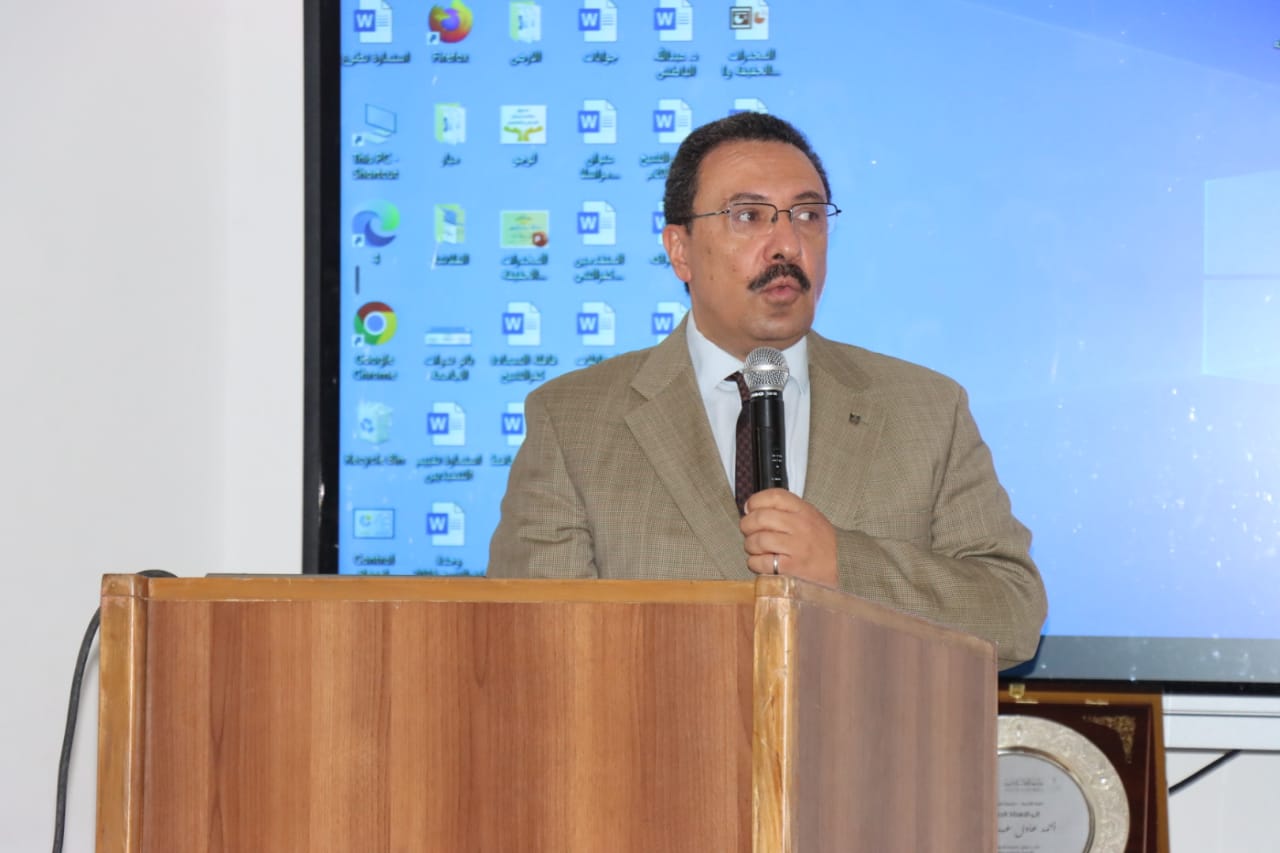
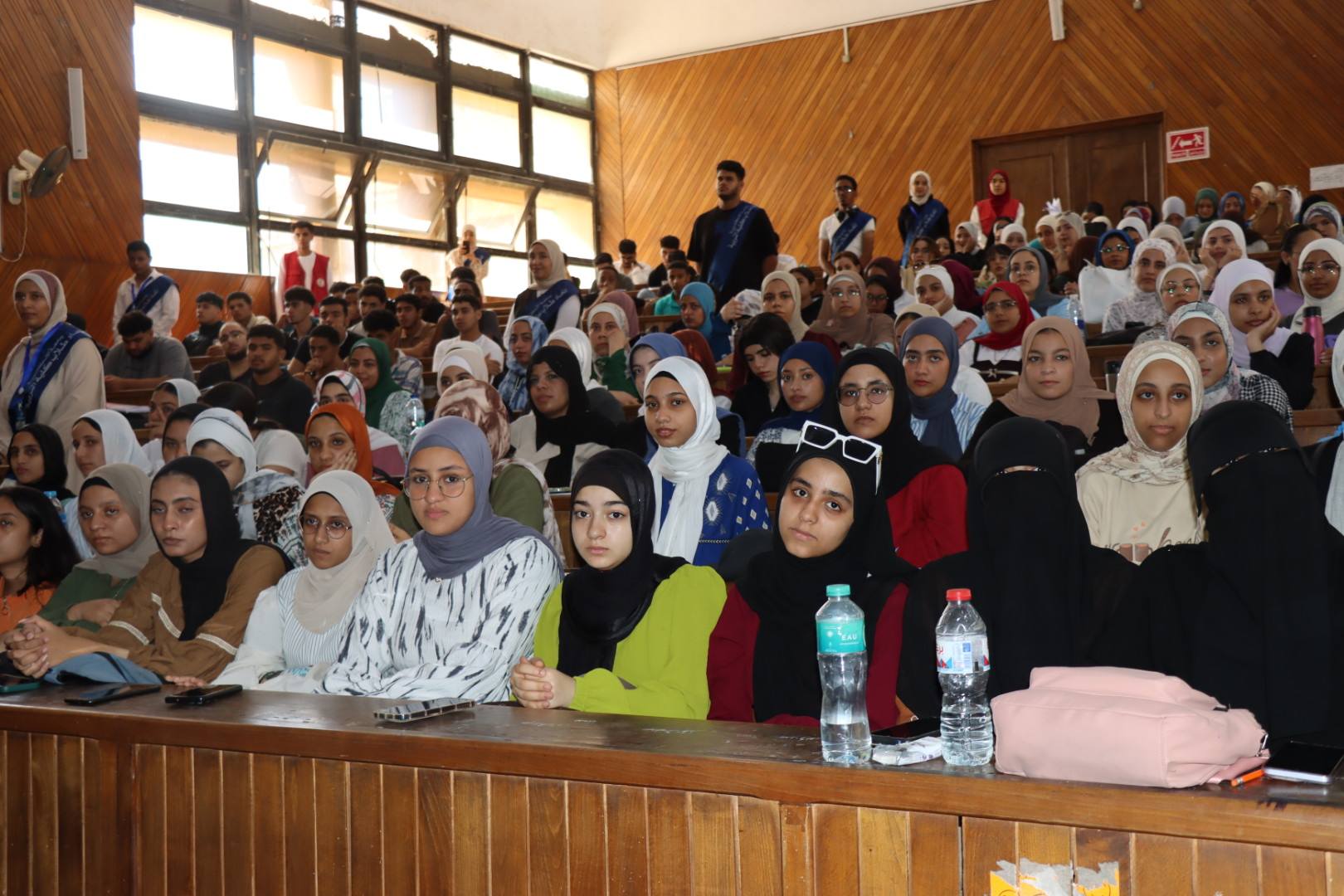
As part of Alexandria University’s participation in the presidential initiative “A New Beginning for Building the Egyptian Citizen”, and under the patronage of Dr. Abdelaziz Konsowa, President of the University, Dr. Ahmed Abdel Hakim, Vice President for Education and Student Affairs, inaugurated today the awareness seminar entitled “The Danger of Drugs and the Role of Youth in Confrontation”, organized by the Faculty of Education at the college premises.
The seminar was delivered by Dr. Salam El-Sayed El-Arabi, Supervisor of Alexandria Governorate at the Fund for Combating and Treating Addiction and Abuse affiliated with the Cabinet. The event was attended by Dr. Hassan Abdeen, Dean of the Faculty; Dr. Salem Abdel Razek, Vice Dean for Community Service and Environmental Development; Dr. El-Sayeda Mahmoud, Vice Dean for Postgraduate Studies and Research; Dr. Lamia El-Shafie, General Coordinator of Student and Voluntary Activities at the University; along with a large number of faculty members and students.
In his speech, Dr. Ahmed Abdel Hakim emphasized that Alexandria University attaches great importance to raising students’ awareness of the dangers of addiction and is keen to organize numerous activities aimed at spreading a culture of awareness about the risks of drug abuse. He highlighted the vital role of youth in leading awareness and prevention efforts both within and beyond the university community. He also stressed the need to change the public perception of drug users, viewing them as victims who need support and guidance to return to the right path and contribute to building the nation.
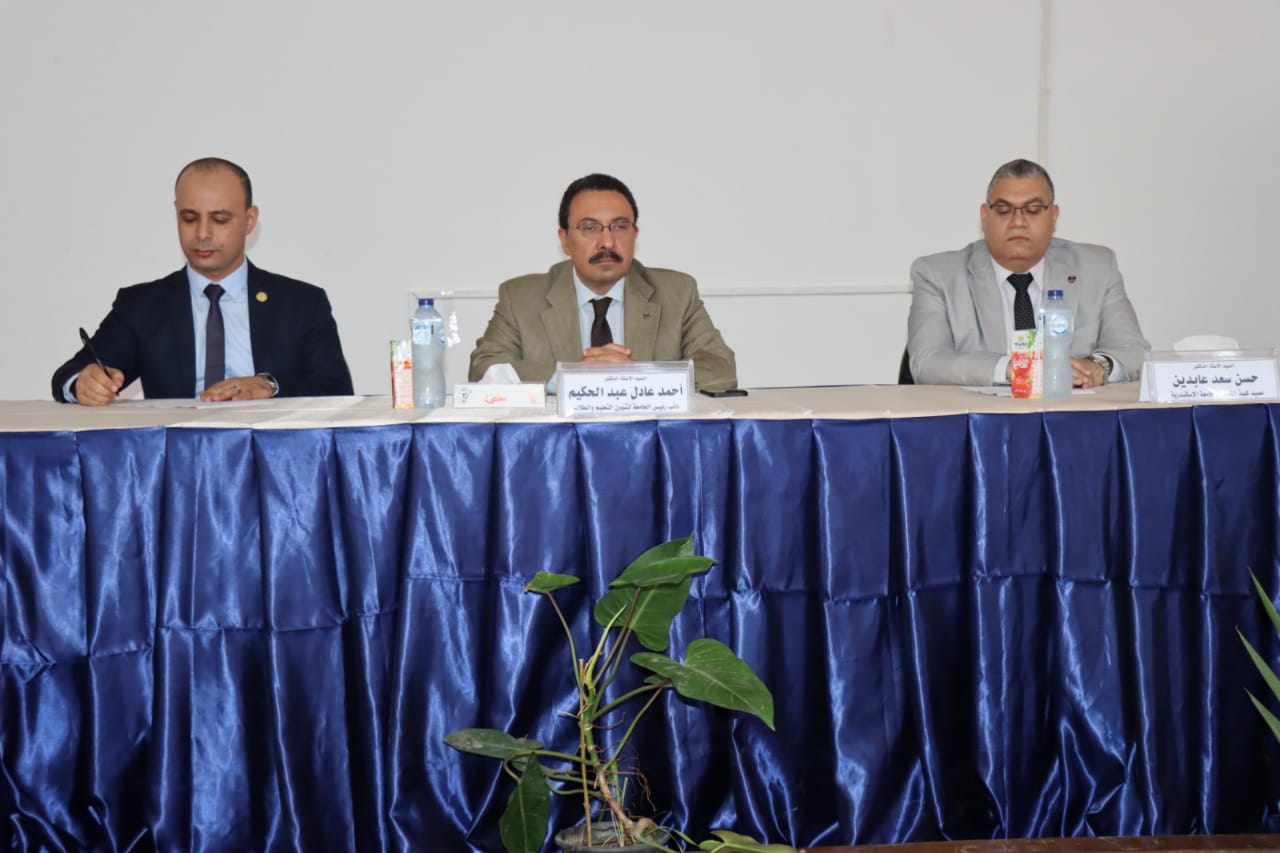
For his part, Dr. Hassan Abdeen affirmed that young people represent the real energy of society and its hope for the future. He pointed out that the Faculty of Education is committed to implementing the university’s vision of preparing an educated and enlightened generation with a well-rounded personality, through providing support, guidance, and awareness on the risks of negative behaviors such as addiction — in line with the state’s vision for building the Egyptian citizen across education, health, and development sectors.
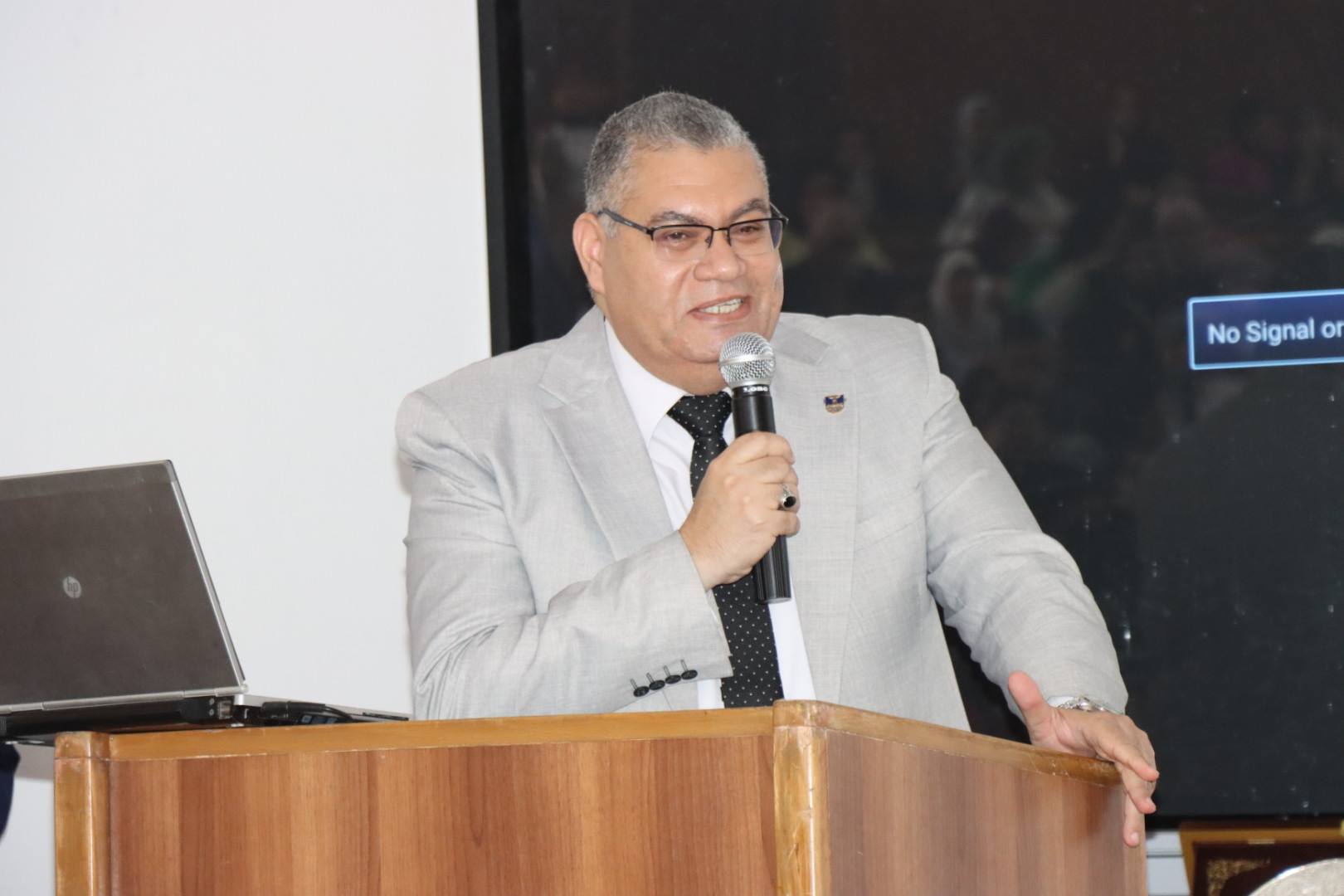
During the seminar, Dr. Salam El-Sayed El-Arabi discussed several key topics, including: the concept and risks of narcotic substances, the dimensions of addiction problems, types of addictive substances, and the causes leading to drug use. He also reviewed national efforts in implementing the National Strategy for Combating Drugs.
The seminar witnessed remarkable interaction from students, who raised many questions and inquiries, expressing their happiness to participate and their appreciation of the seminar’s informative content. They also expressed their eagerness to take part in future activities that enrich their university
experience.