English
 Faculty News
The High Institute of Public Health at Alexandria University Organizes a Conference on “Antimicrobial Resistance: Current Situation and Challenges”
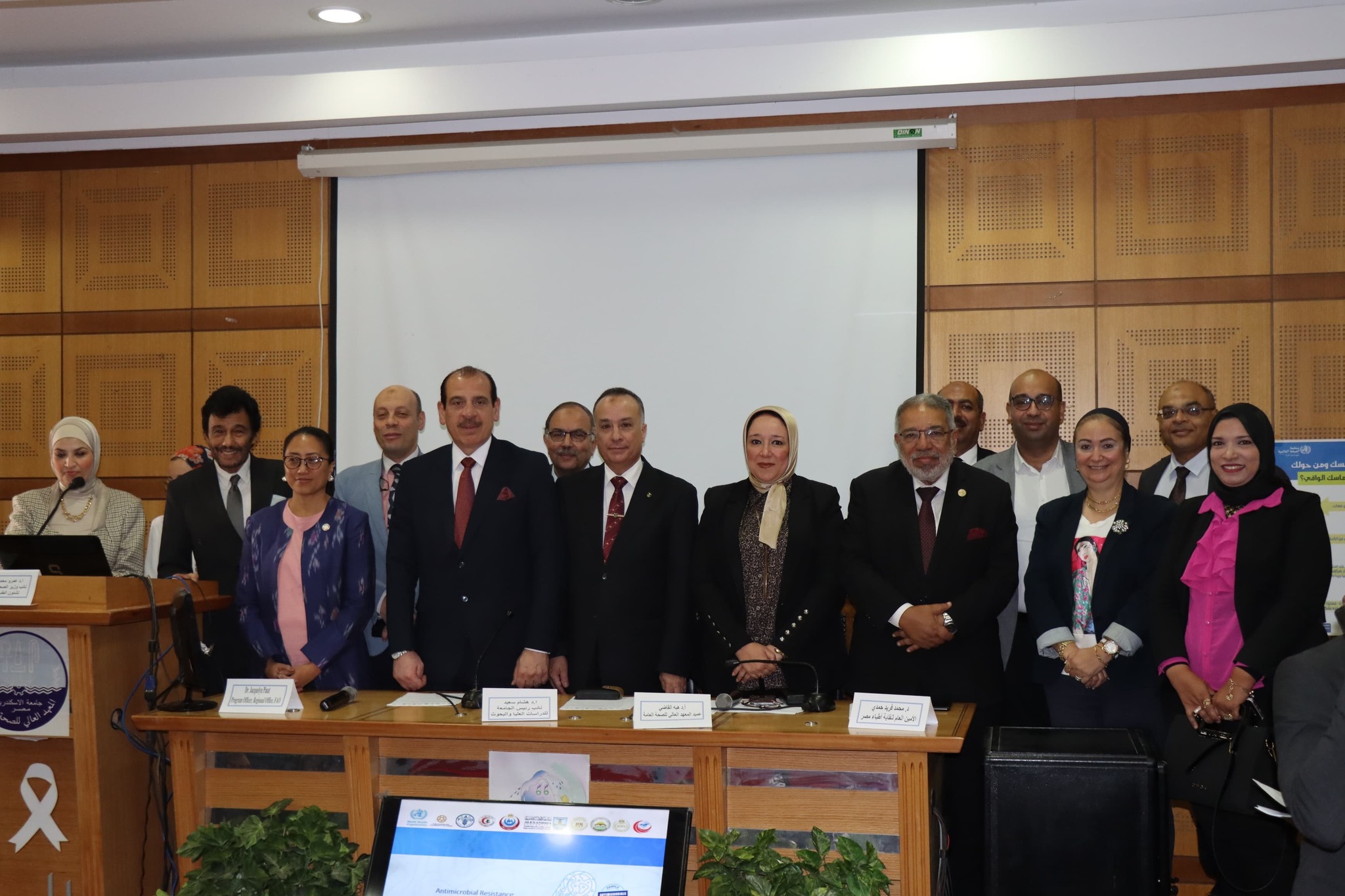
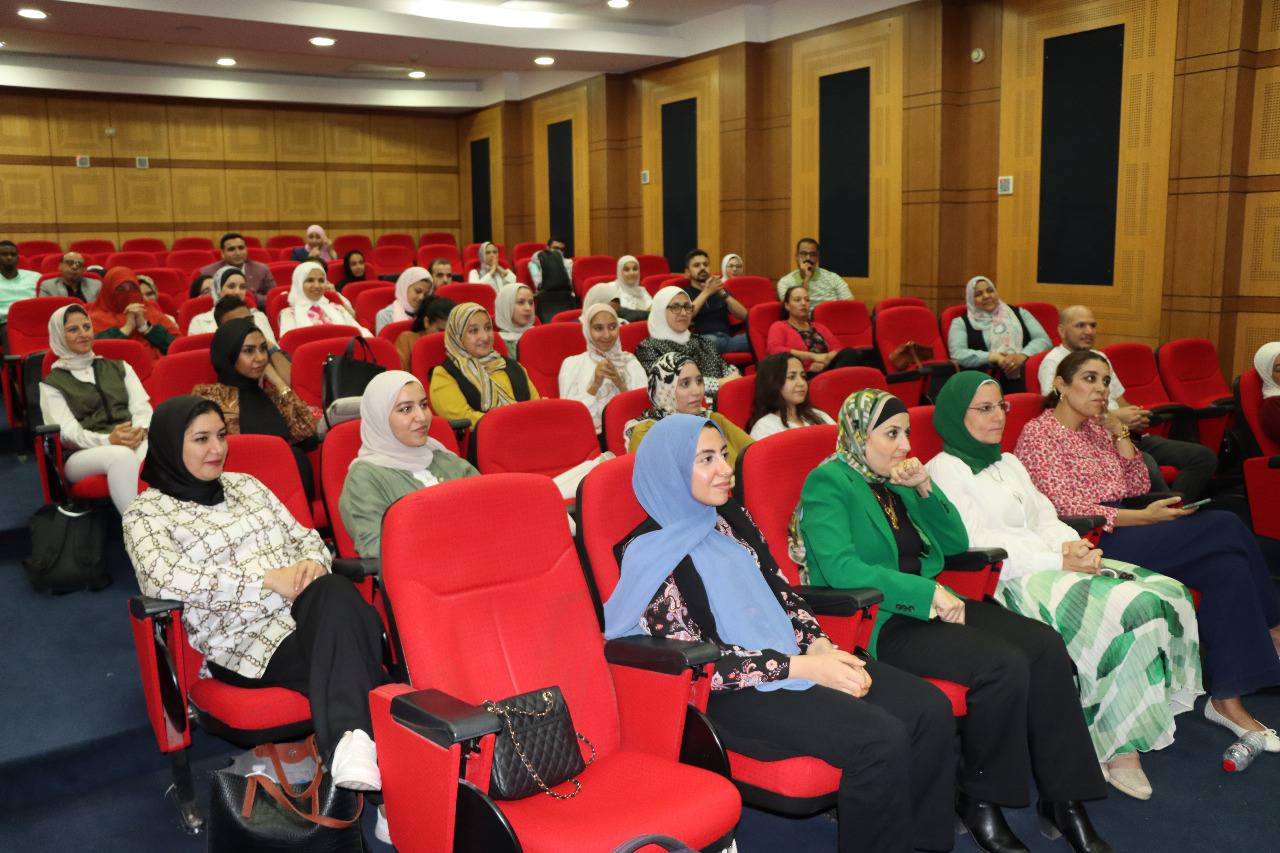
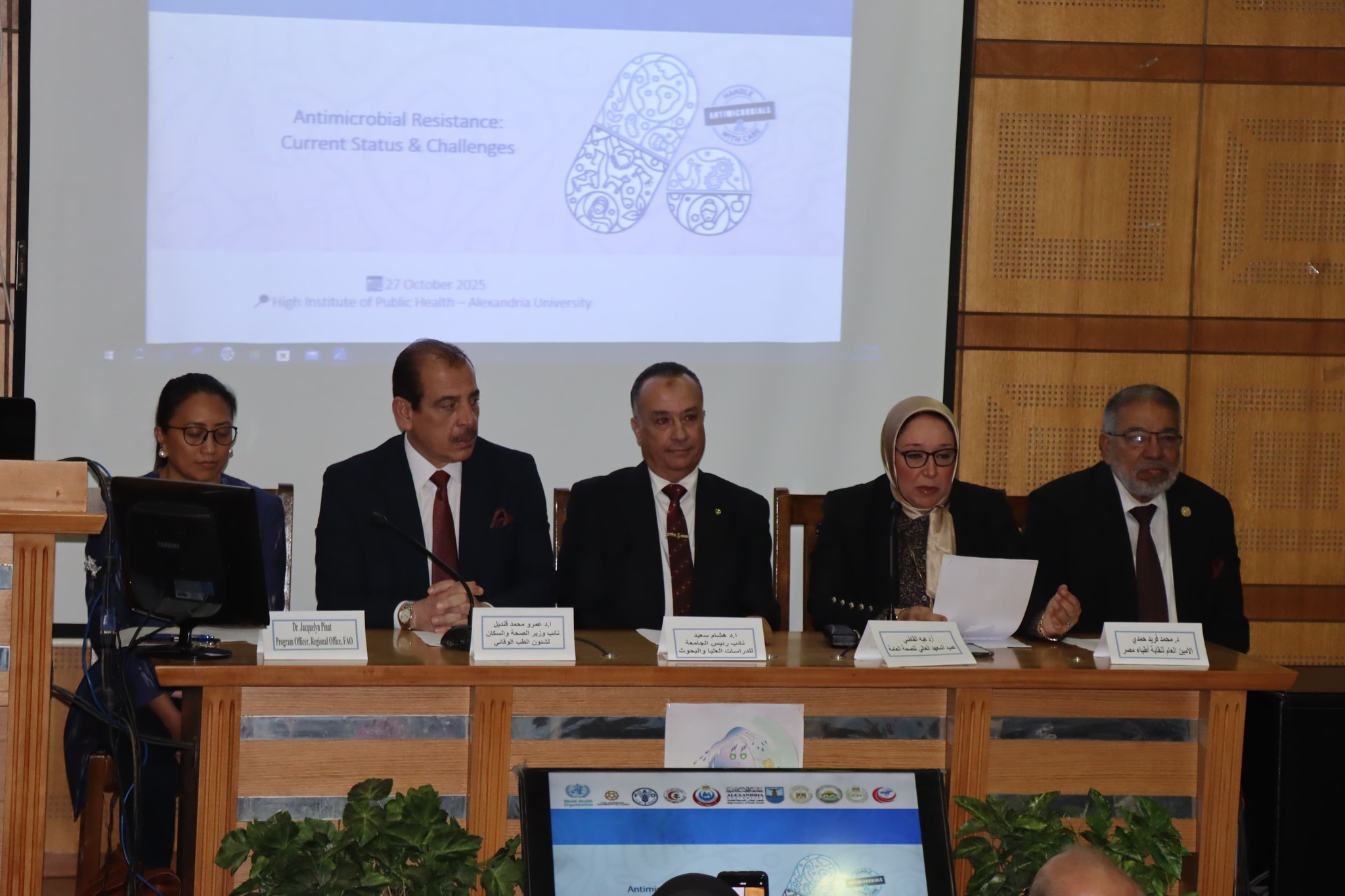
Under the auspices of Prof. Dr. Abdelaziz Konsowa, President of Alexandria University, the High Institute of Public Health organized on Monday, October 27, 2025, a scientific conference entitled “Antimicrobial Resistance: Current Situation and Challenges.” The event witnessed wide participation from representatives of governmental bodies, international organizations, and Egyptian universities.
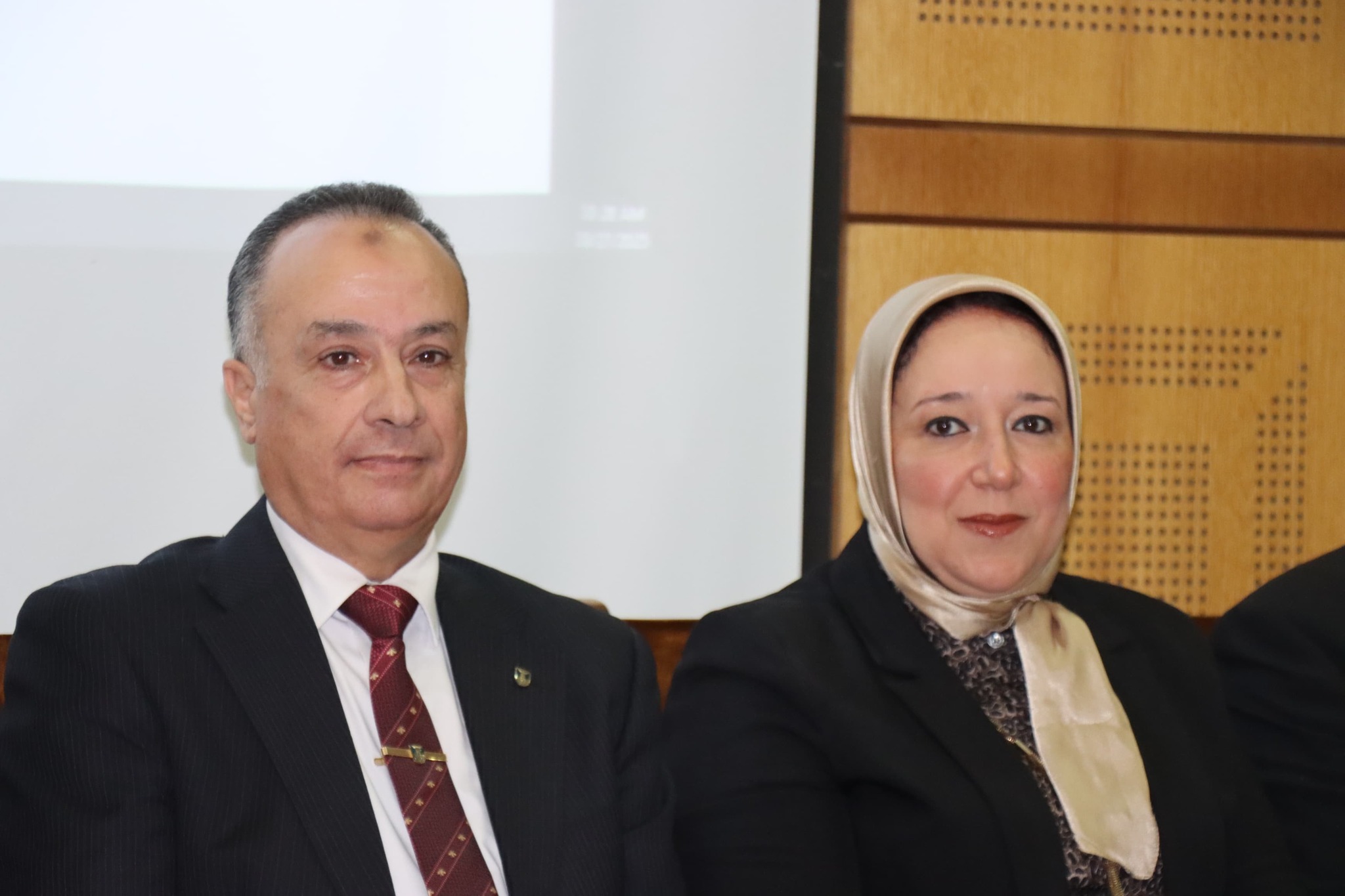
The conference was attended by Prof. Dr. Hesham Saeed, Vice President of Alexandria University for Graduate Studies and Research; Prof. Dr. Heba El-Qady, Dean of the High Institute of Public Health; Prof. Dr. Amr Kandil, Deputy Minister of Health and Population for Preventive Medicine; Dr. Jacqueline Benat, Representative of the Regional Office of the Food and Agriculture Organization (FAO); Dr. Mohamed Farid Hamdy, Secretary-General of the Egyptian Medical Syndicate; Dr. Mohamed Badran, Undersecretary of the Ministry of Health in Alexandria; and Dr. Sameh Riyad, Undersecretary of the Ministry of Environment in Alexandria, along with vice-deans of the Institute, experts, academics, and faculty members from various faculties of Alexandria University.
The conference sessions were presented by Prof. Dr. Ibrahim El-Kordany, distinguished scholar at the Institute and former official spokesperson of the World Health Organization (WHO), while the discussion panel was moderated by Prof. Dr. Ahmed Mandil, Professor of Epidemiology at the Institute.
High-level representatives from the Ministries of Health and Population, Agriculture, and Environment, the Egyptian Drug Authority, the General Organization for Veterinary Services, the Egyptian Medical Syndicate, and international organizations such as the World Health Organization (WHO), the Food and Agriculture Organization (FAO), the American University in Cairo, and the Eastern Mediterranean Public Health Network also took part in the event.
The conference addressed several key themes, including:
Analysis of the global, regional, and national situation of antimicrobial resistance (AMR);
Improving practices across healthcare, food production, and environmental sectors;
Promoting infection prevention and control within the framework of the “One Health” approach that integrates human, animal, and environmental health.
In his opening remarks, Prof. Dr. Hesham Saeed emphasized that the conference reflects Alexandria University’s and the Institute’s pioneering role in supporting applied scientific research and tackling priority public health issues nationally and globally. He stated that antimicrobial resistance represents one of the most serious threats to global public health, as it leads to treatment difficulties, increased disease and mortality rates, and higher economic burdens. He explained that the excessive and uncontrolled use of antibiotics in humans and animals, as well as their use in agriculture and aquaculture as growth promoters, has accelerated the development of resistant microbial strains. Dr. Saeed stressed the importance of strengthening regulations governing antibiotic use, enforcing safe disposal of medical waste, and addressing the global decline in the discovery of new antimicrobial agents.
Prof. Dr. Amr Kandil highlighted that the conference aligns with the Ministry of Health’s efforts to curb the spread of antimicrobial resistance and enhance healthcare quality. He referred to the National Plan to Combat Antimicrobial Resistance, launched in 2023, which has been implemented in 96 hospitals nationwide, with six hospitals being upgraded to international Centers of Excellence in infection control.
For her part, Prof. Dr. Heba El-Qady noted that antimicrobial resistance is among the greatest public health threats worldwide, leading to loss of treatment efficacy, increased mortality rates, and higher healthcare costs. She emphasized that AMR is not only a medical issue but also a societal one that requires close collaboration among all sectors within the “One Health” framework. She added that the conference aims to enhance research cooperation and develop effective national and regional strategies to curb the spread of resistant microbes and promote the rational use of antibiotics.
In a recorded message, Dr. Nehme Abed, WHO Representative in Egypt, stressed the need for joint efforts across health, environmental, and agricultural sectors under the “One Health” approach. He warned that antimicrobial resistance could cause more than 10 million deaths by 2050, highlighting the close cooperation between the WHO and the Egyptian government in implementing the national AMR action plan.
Dr. Jacqueline Benat, FAO Representative, underscored the importance of examining the impact of antimicrobial resistance not only on humans but also on the environment and livestock. She emphasized the necessity of integrated collaboration among all sectors to achieve the Sustainable Development Goals (SDGs).
Dr. Sameh Riyad, Undersecretary of the Ministry of Environment in Alexandria, stressed the need to consider the environmental determinants of antimicrobial resistance—particularly regarding fisheries, water resources, and waste disposal from hospitals and healthcare centers—and highlighted the Ministry’s efforts in cooperation with other sectors to address this issue comprehensively.
Meanwhile, Dr. Mohamed Farid Hamdy, Secretary-General of the Egyptian Medical Syndicate, and Dr. Abdel Moneim Fawzy, Head of the Alexandria Medical Syndicate, expressed the Syndicate’s full support for initiatives that promote better public health outcomes, hoping the conference’s recommendations will lead to tangible improvements benefiting Egyptian citizens.
Finally, the Department of Microbiology at the Institute presented a series of scientific research studies focused on antimicrobial resistance and potential alternative treatments explored through departmental research projects.
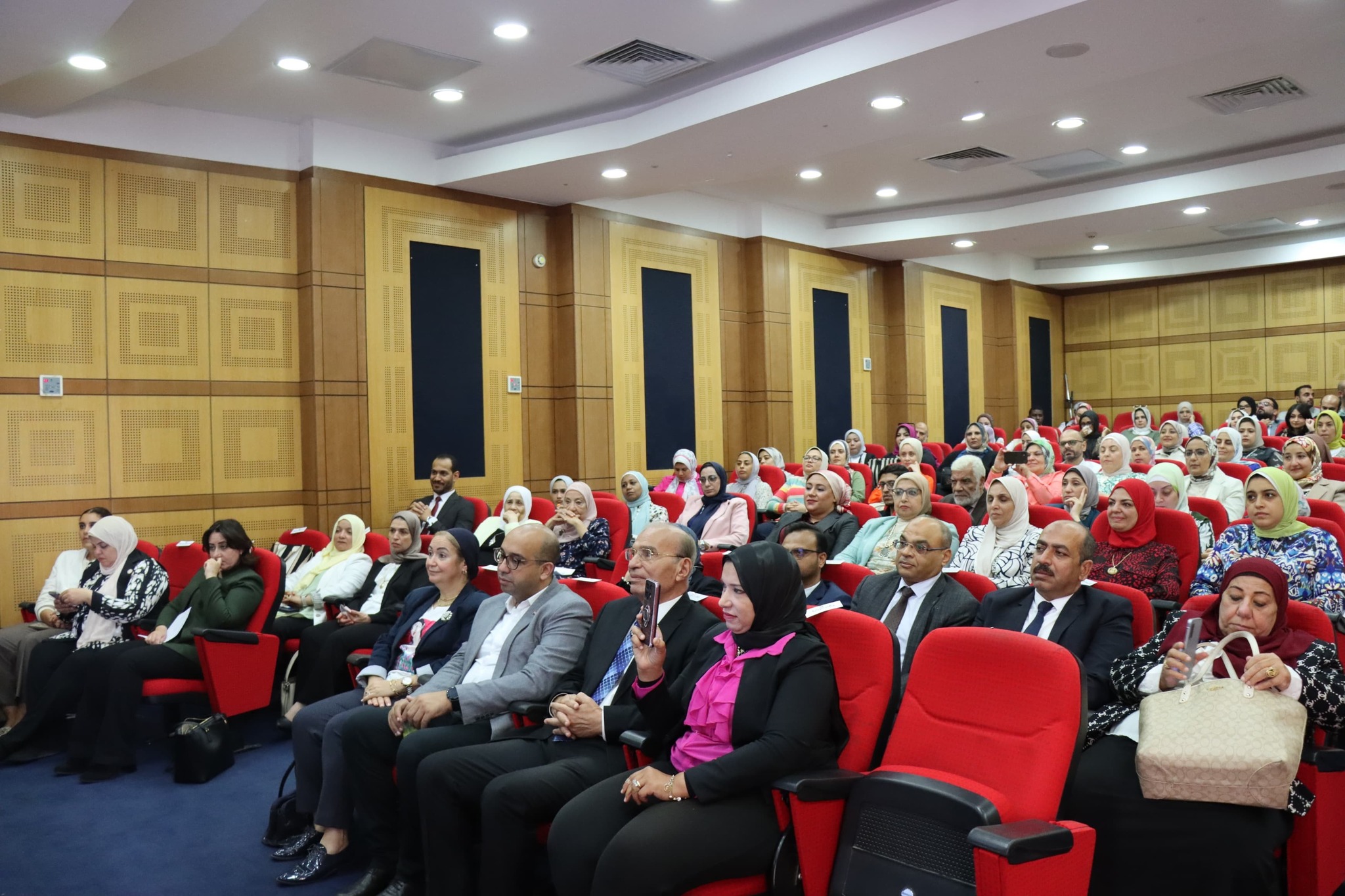
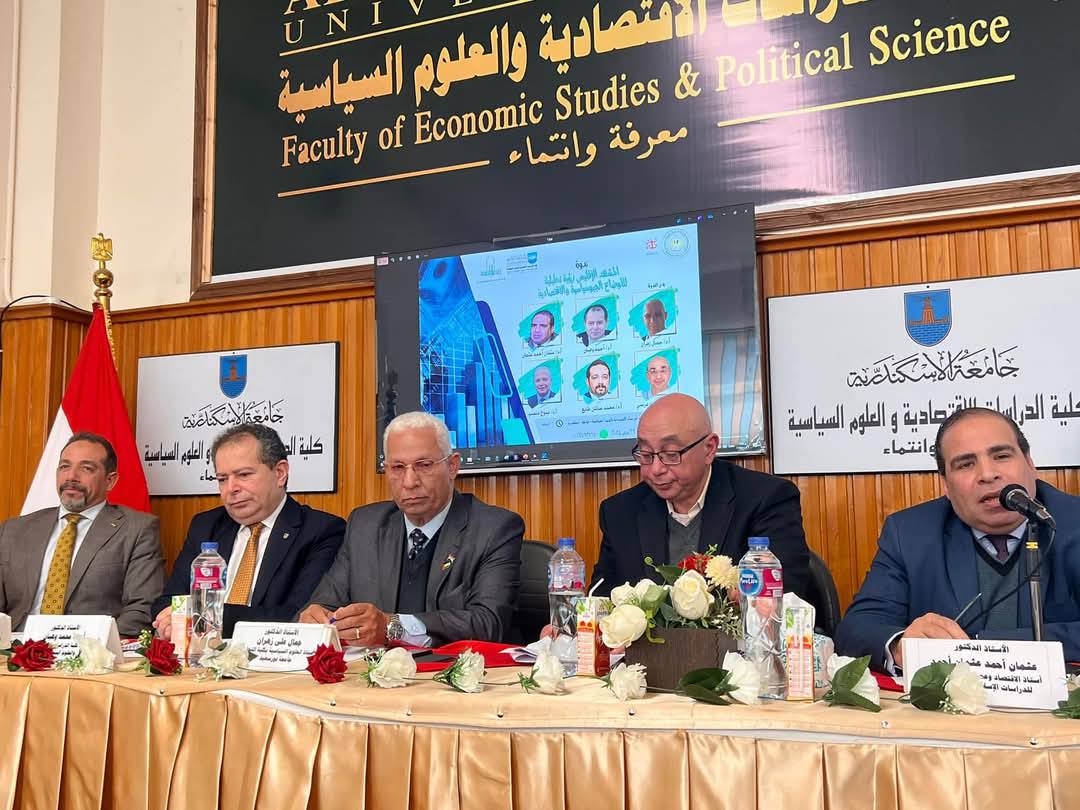
Faculty of Economics and Political Science holds its annual joint symposium in cooperation with the Supreme Council of Culture
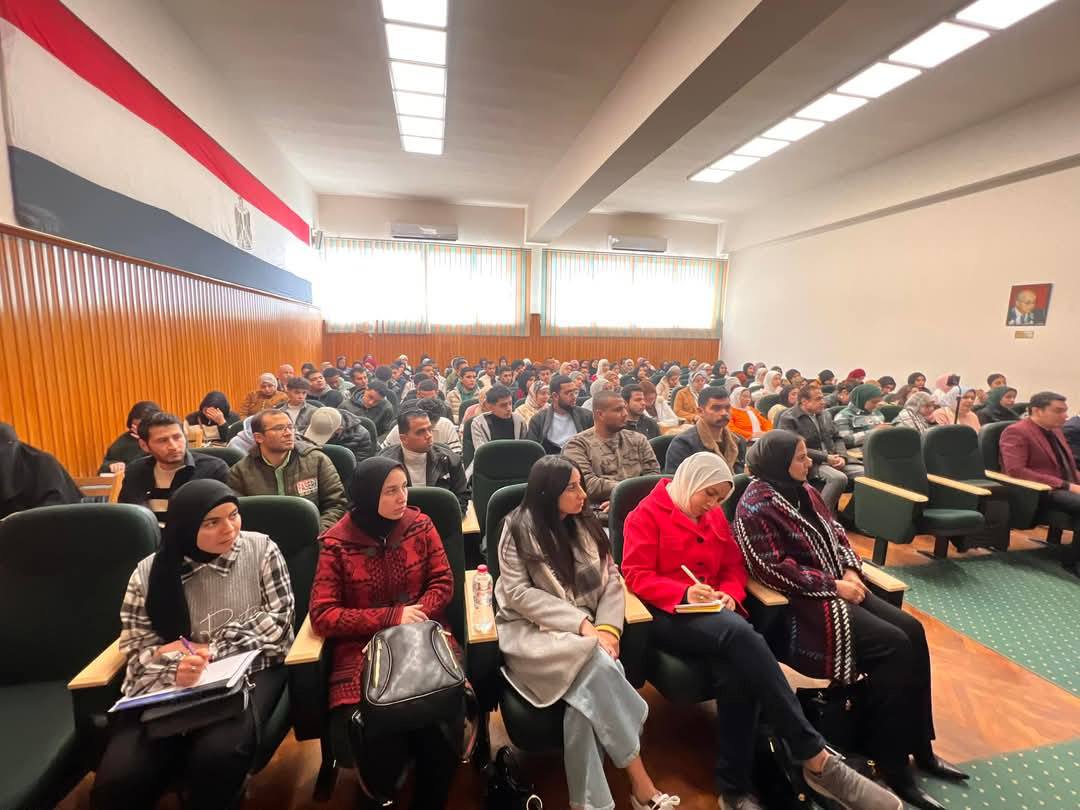
Faculty of Economic Studies and Political Science Holds Orientation Day for the English Language and Dual Degree Programs
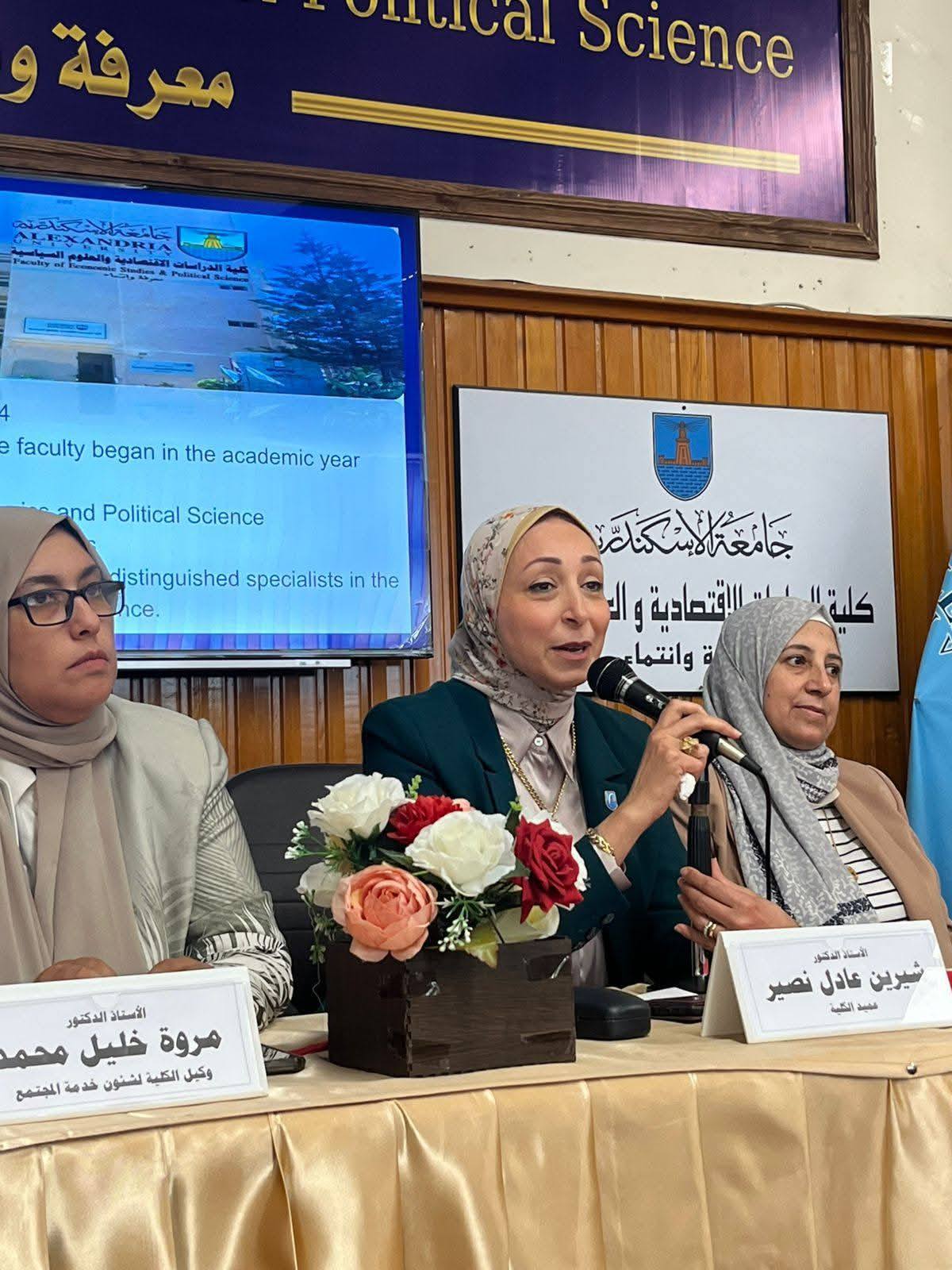
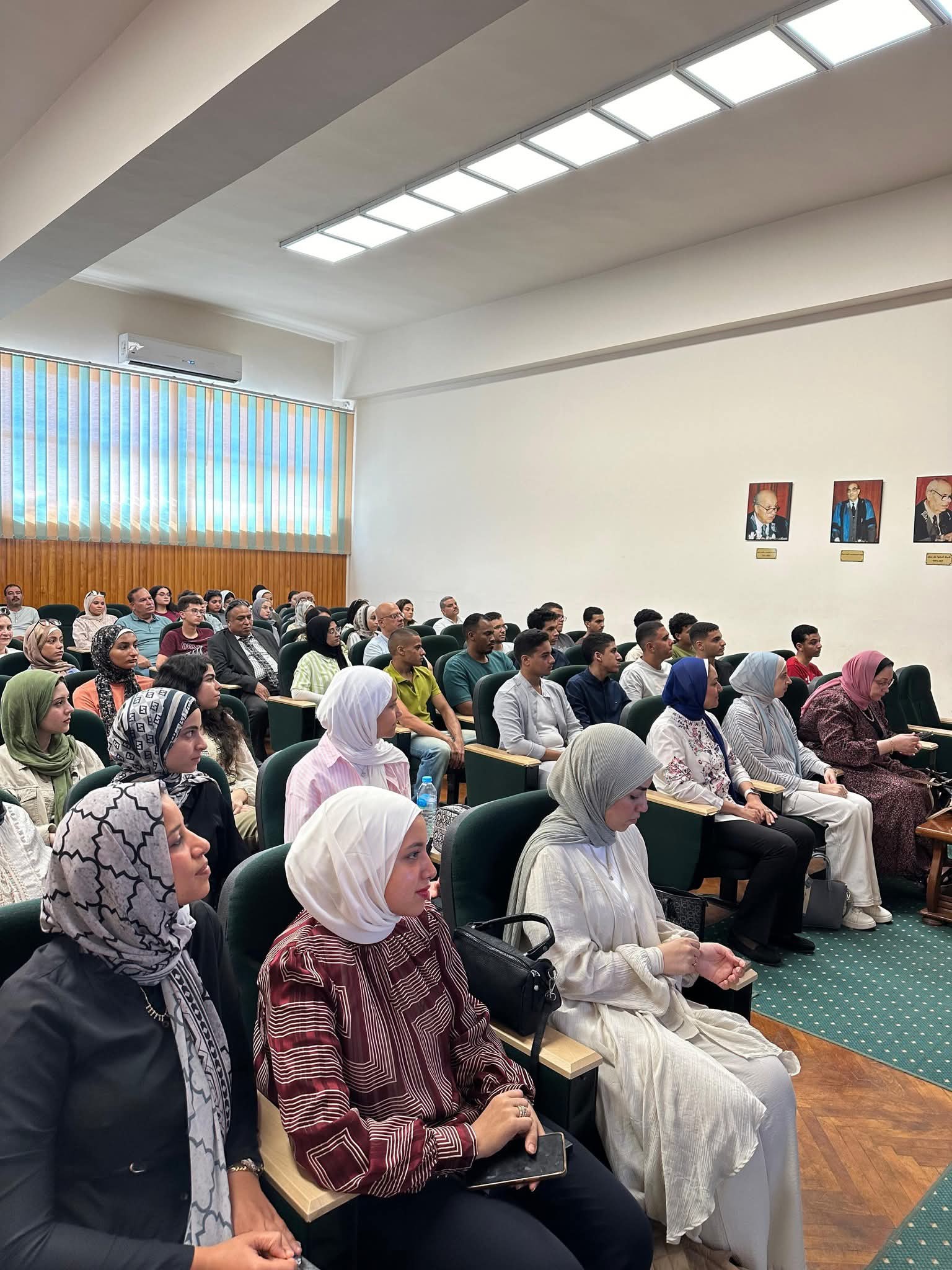
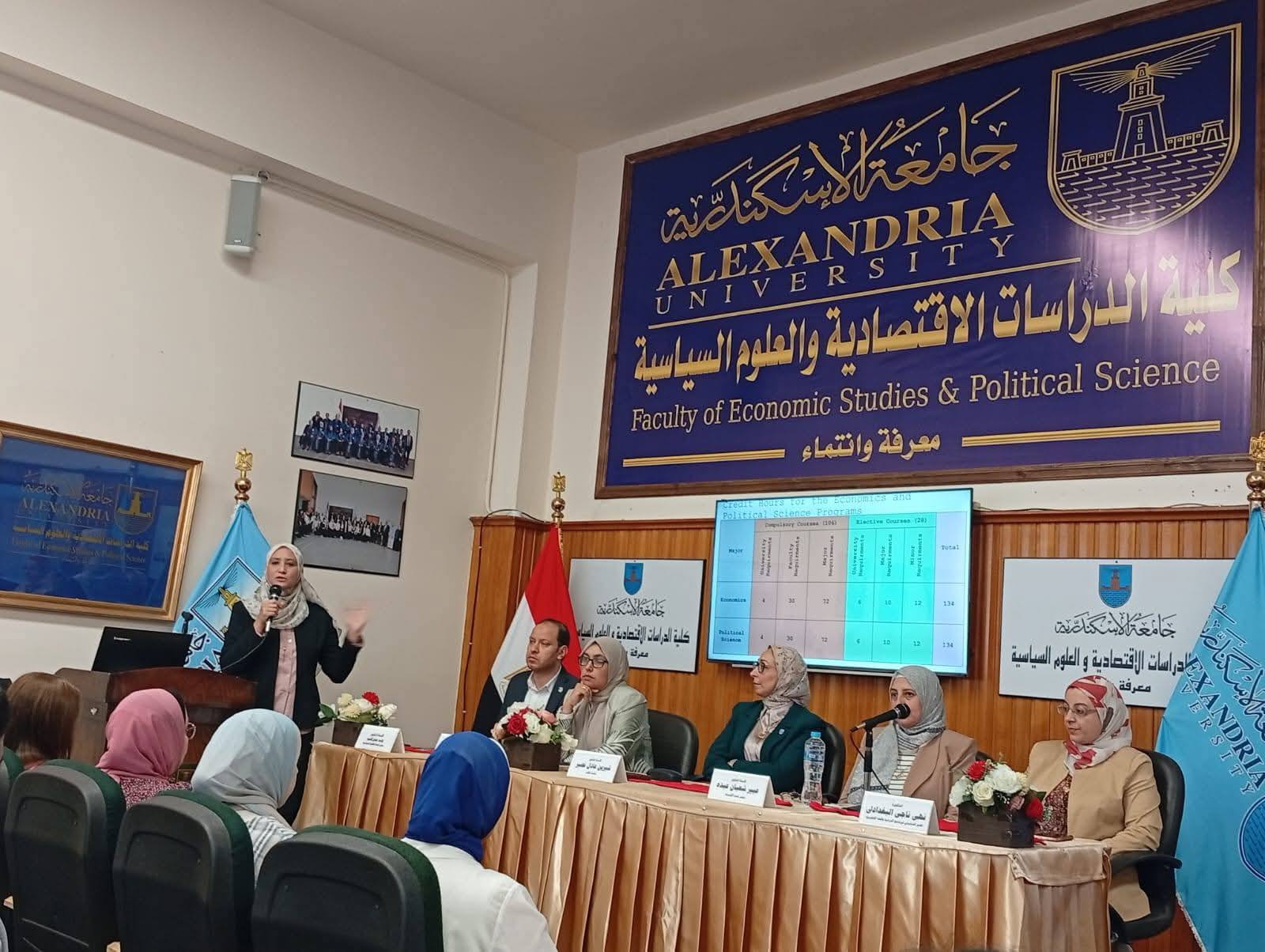
On Saturday, September 6, 2025, the Faculty of Economic Studies and Political Science at Alexandria University organized the Orientation Day for its English Language and Dual Degree Programs, held at the faculty’s conference hall. The event witnessed the attendance of new students and their parents, program alumni, alongside faculty members and teaching assistants.
The event was inaugurated with a welcome address by Prof. Sherine Adel Nasr, Dean of the Faculty, who highlighted the faculty’s history, development, and its role in preparing outstanding graduates capable of competing locally and internationally. She emphasized the importance of the program in opening up promising academic and professional opportunities for students.
Dr. Maha Hatem Asfour, the Program’s General Coordinator, delivered a detailed presentation on the academic curriculum and study levels. Ms. Nora Nafea highlighted the role of academic advising in supporting students throughout their educational journey. Meanwhile, Prof. Abeer Shabaan, Head of the Economics Department, and Prof. Walid Kassem, Head of the Political Science Department, discussed the academic and career pathways offered by the program, with a focus on employment opportunities in Egypt and abroad.
Dr. Marwa Khalil, Vice Dean for Community Service and Environmental Affairs, shed light on the student activities that enrich the program, such as simulation models, field visits, and training opportunities.
In the field of international cooperation, Dr. Noha Nagi, Executive Director of the Program, presented available international scholarship opportunities, including the Chicago-Sawiris Program, in addition to the dual degree program with the University of Essex (UK), which allows students to obtain both a Bachelor’s and a Master’s degree within just four years (3+1).
The event concluded with an interactive session where current students and alumni shared their academic and professional experiences, providing inspiring success stories and a clear vision of the program’s future.
The Orientation Day reflected the faculty’s commitment to combining academic excellence, international exposure, and enriching student activities, ensuring the preparation of graduates who are well-equipped to compete in the local, regional, and global labor markets.
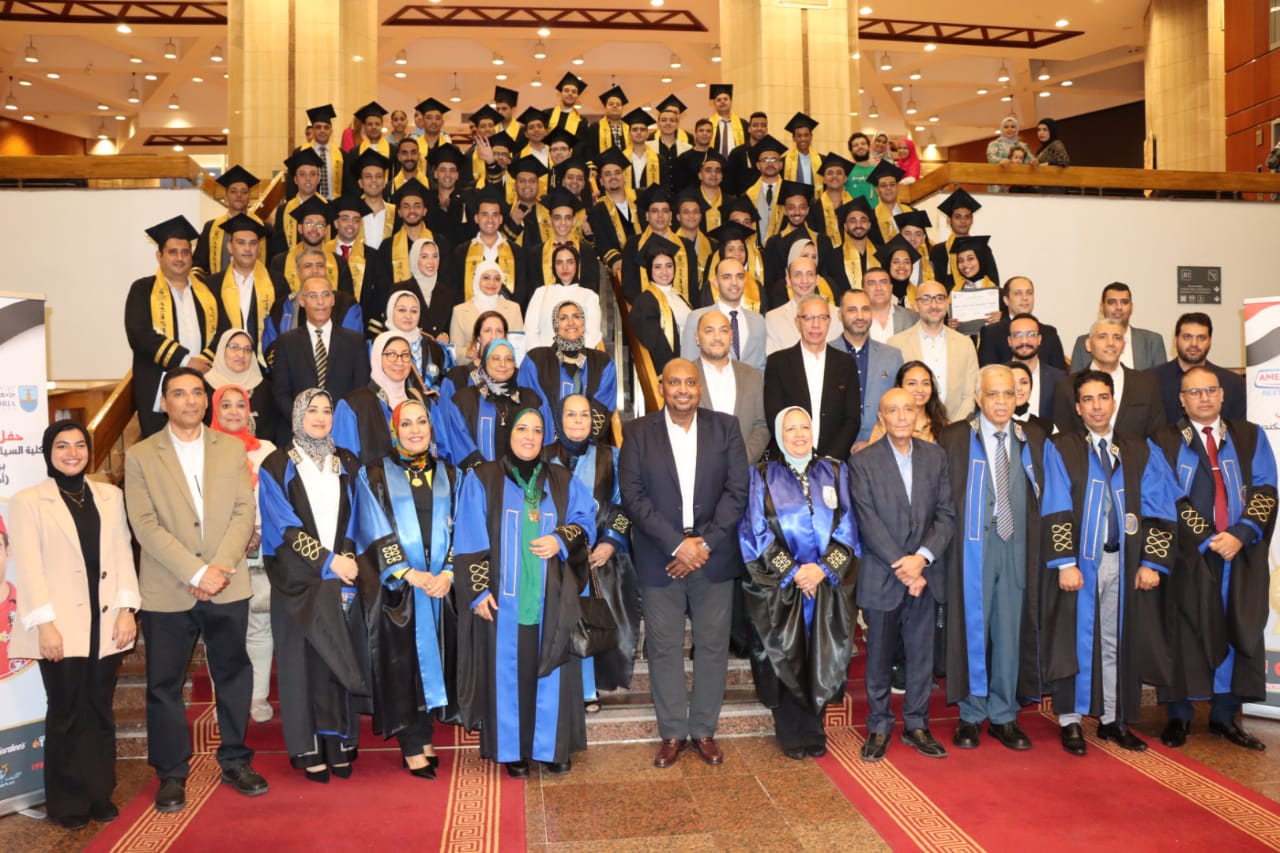
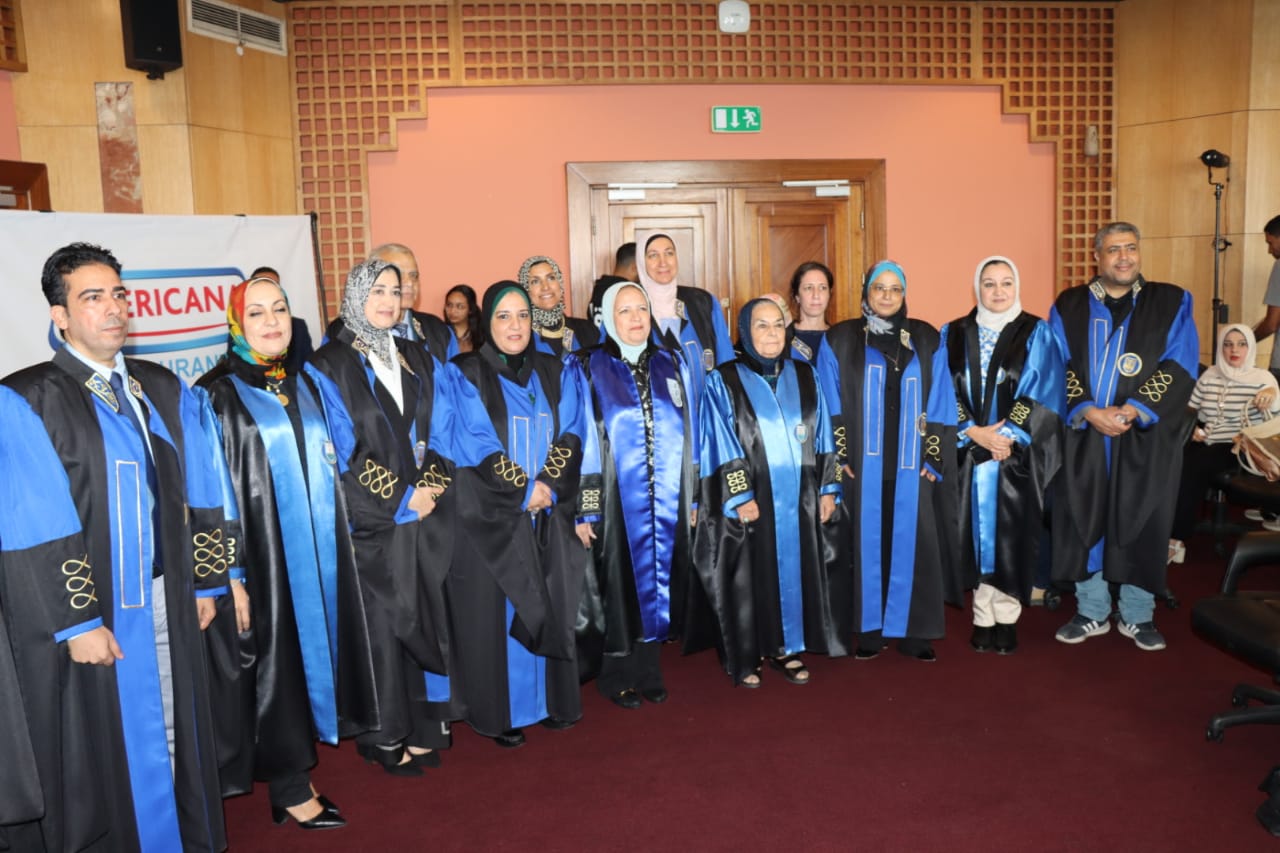
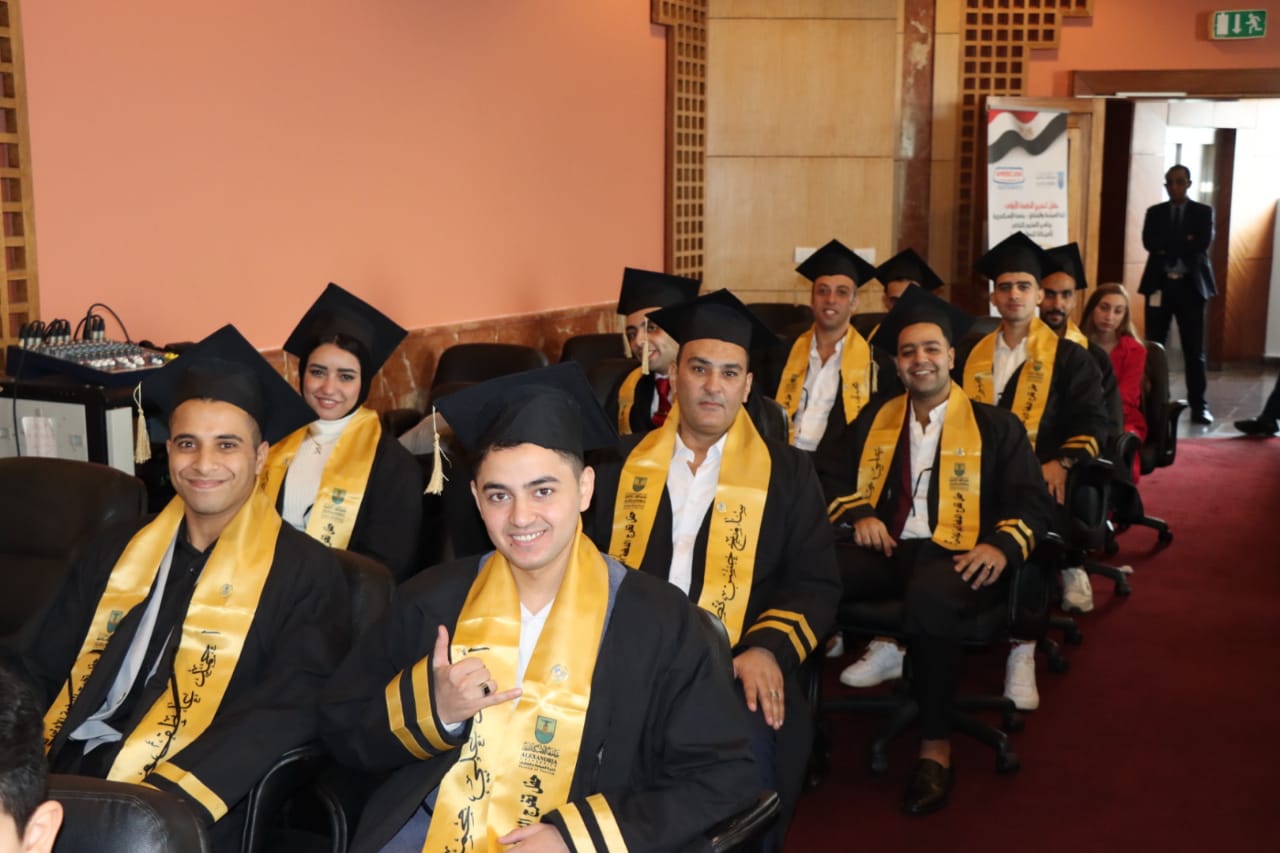
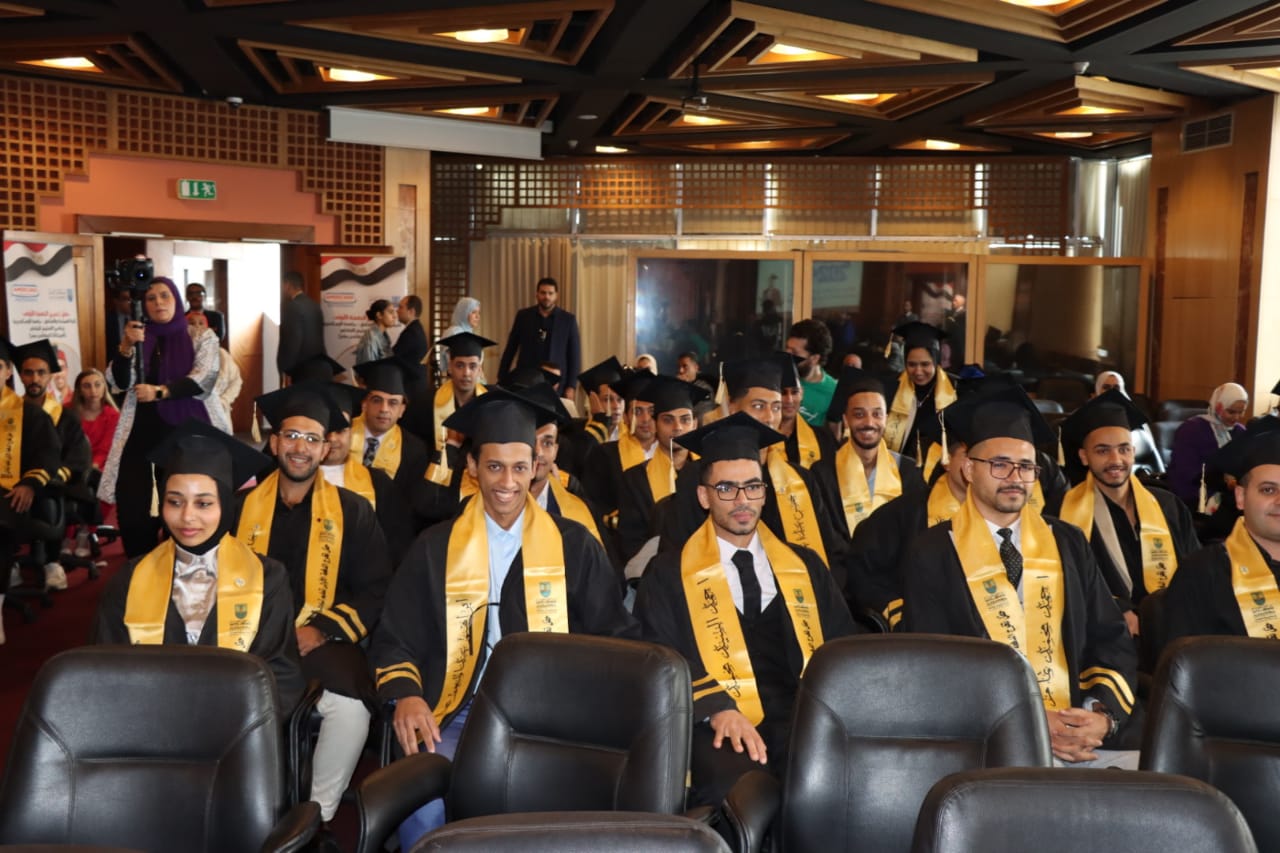
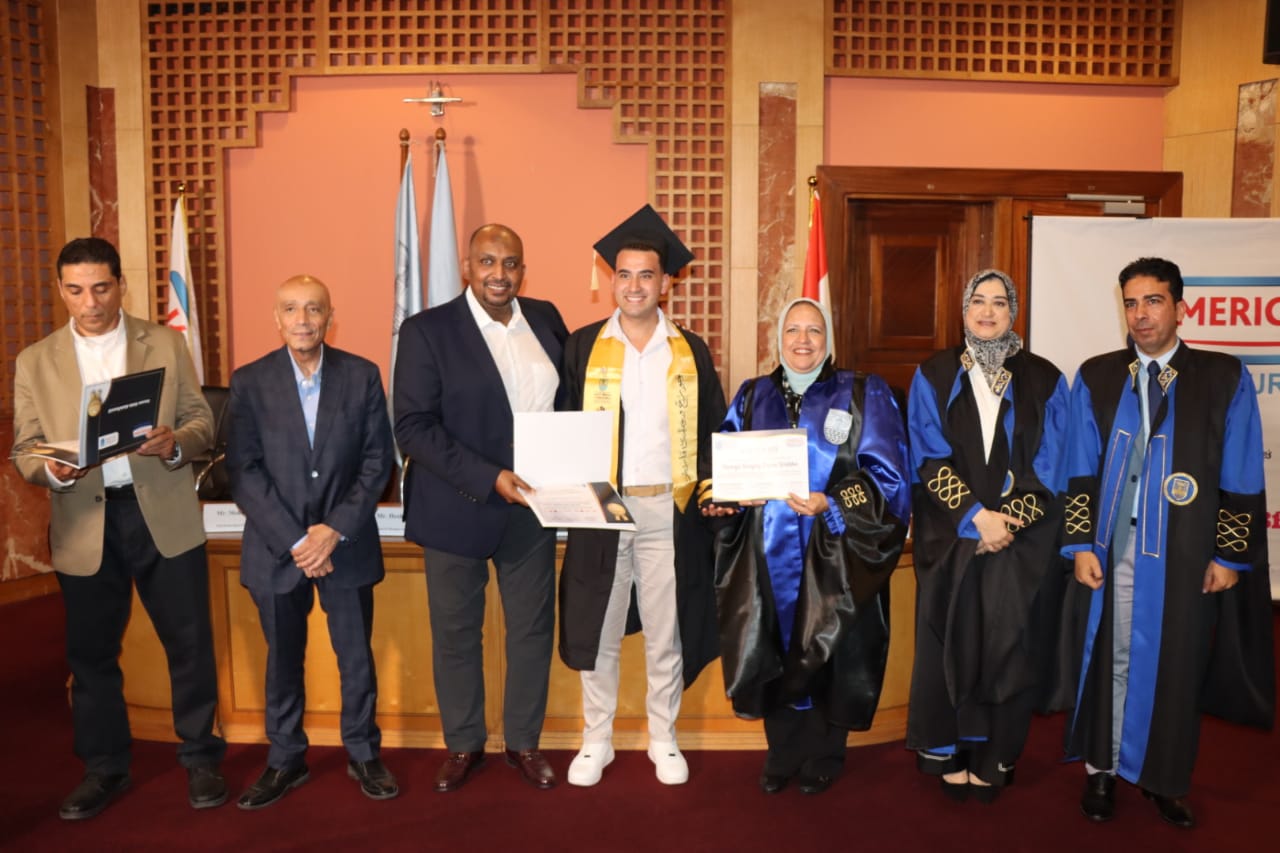
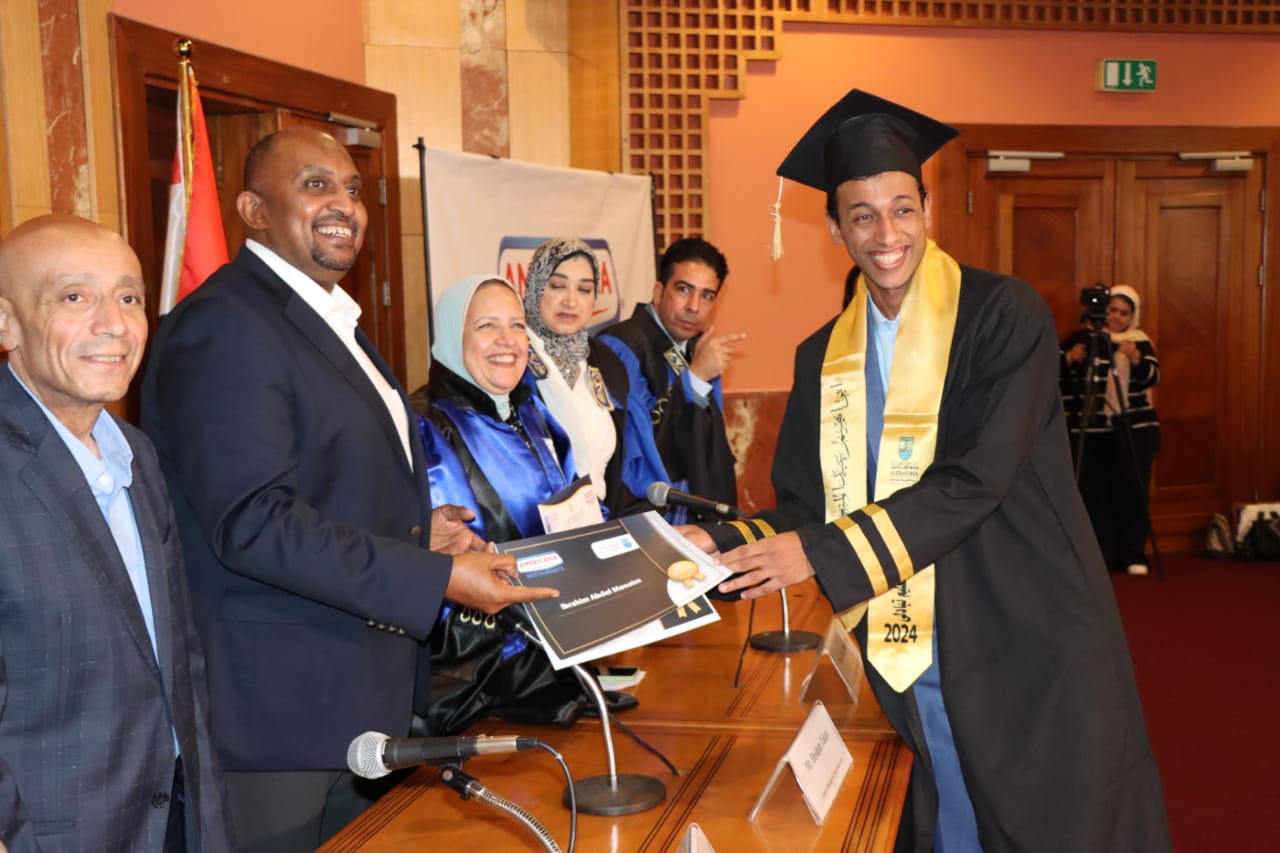
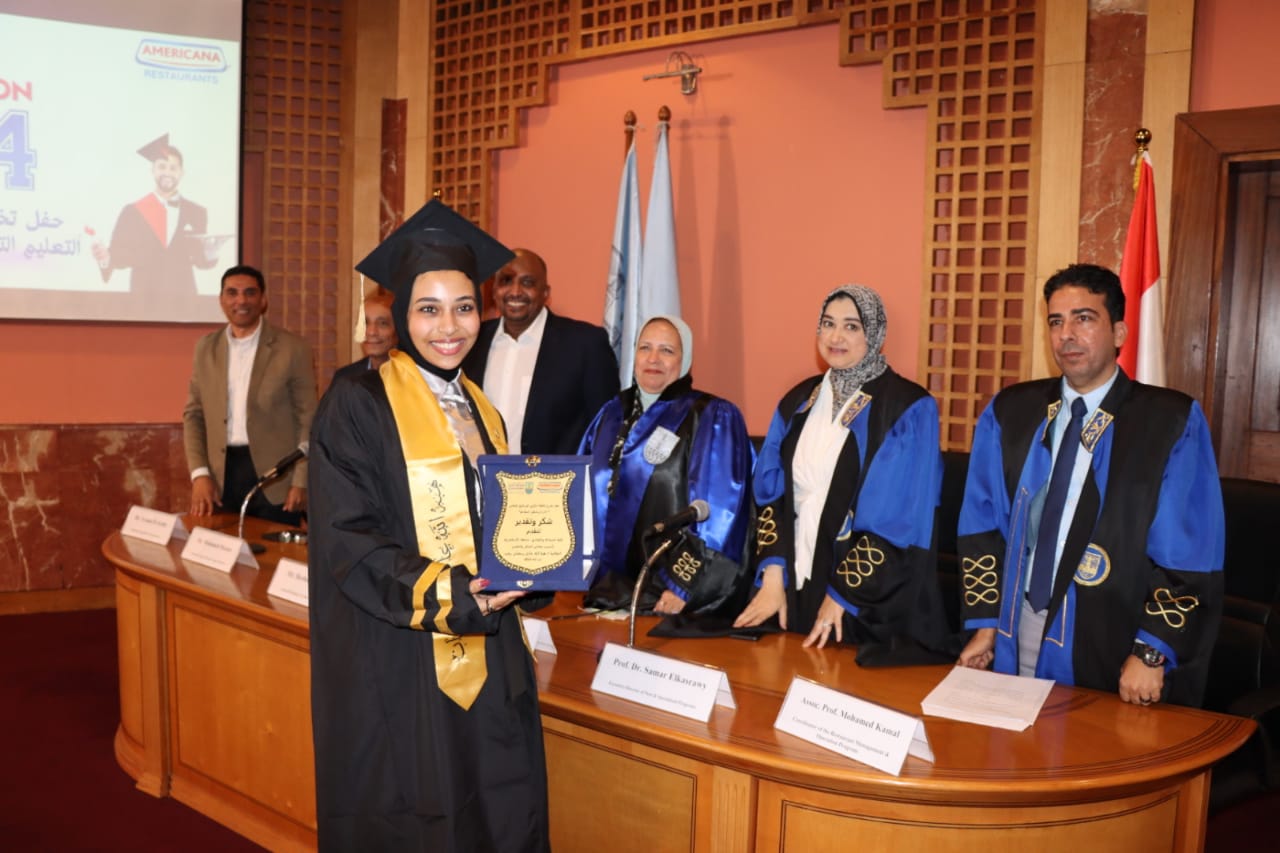
Faculty of Tourism and Hotels Celebrates Graduation of First Class of Exchange Education Program for Restaurant Management and Operation

High Institute of Public Health Concludes the 2025 Summer School on “One Health”
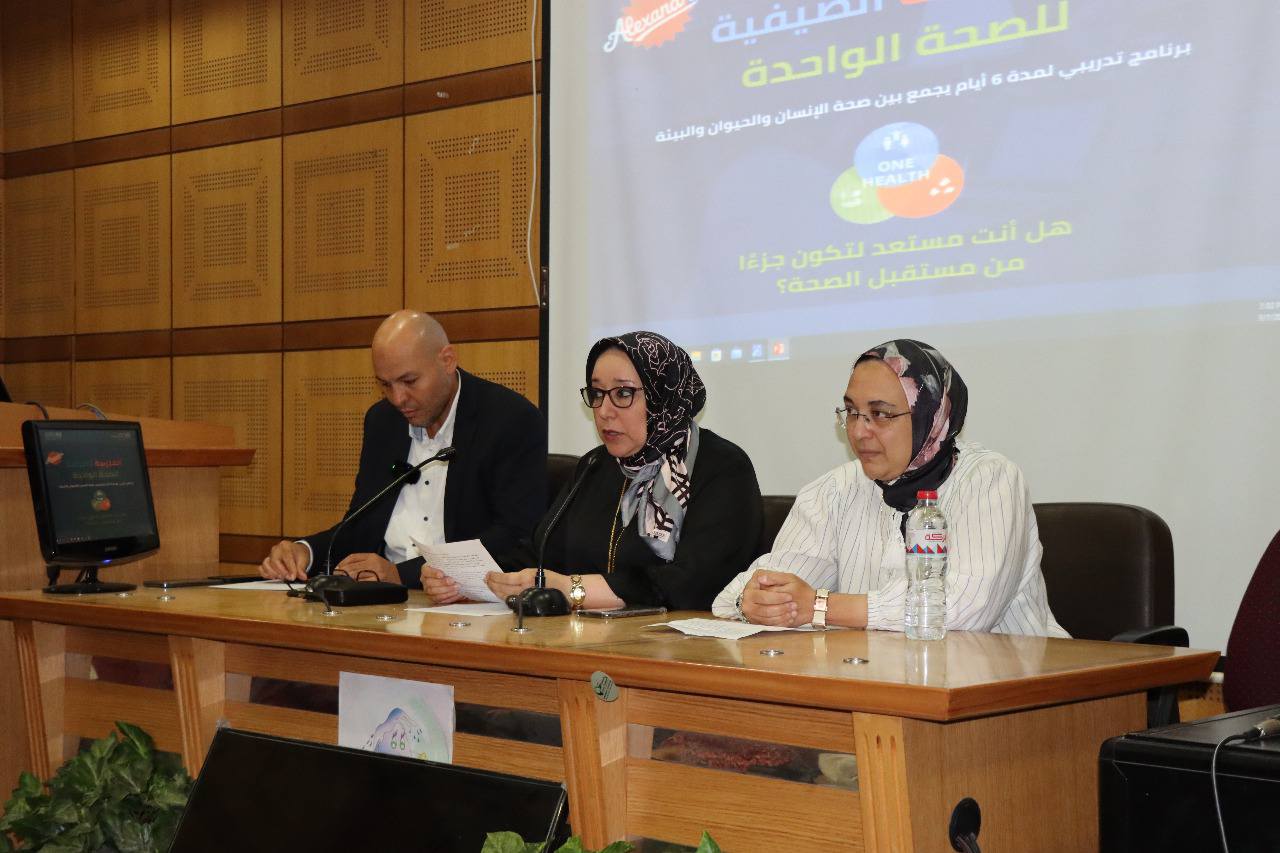
Under the auspices of Dr. Abdelaziz Konsowa, President of Alexandria University, the High Institute of Public Health concluded the activities of the 2025 Summer School on “One Health,” organized in collaboration with the World Health Organization (WHO) Office in Egypt, from August 23 to September 7.
The closing ceremony was attended by Prof. Heba El-Kady, Dean of the Institute, Prof. Zeinab Sheta, Vice Dean for Community Service and Environmental Development, along with WHO representatives in Cairo: Dr. Omar Aboul-Atta, Dr. Reem Gouda, Dr. Heba Abou Bakr, Dr. Yara Khalaf, and Dr. Sara Ghanem. The event also brought together faculty members, experts, and researchers from various health, veterinary, and environmental disciplines, as well as representatives of governmental and private institutions and civil society organizations.
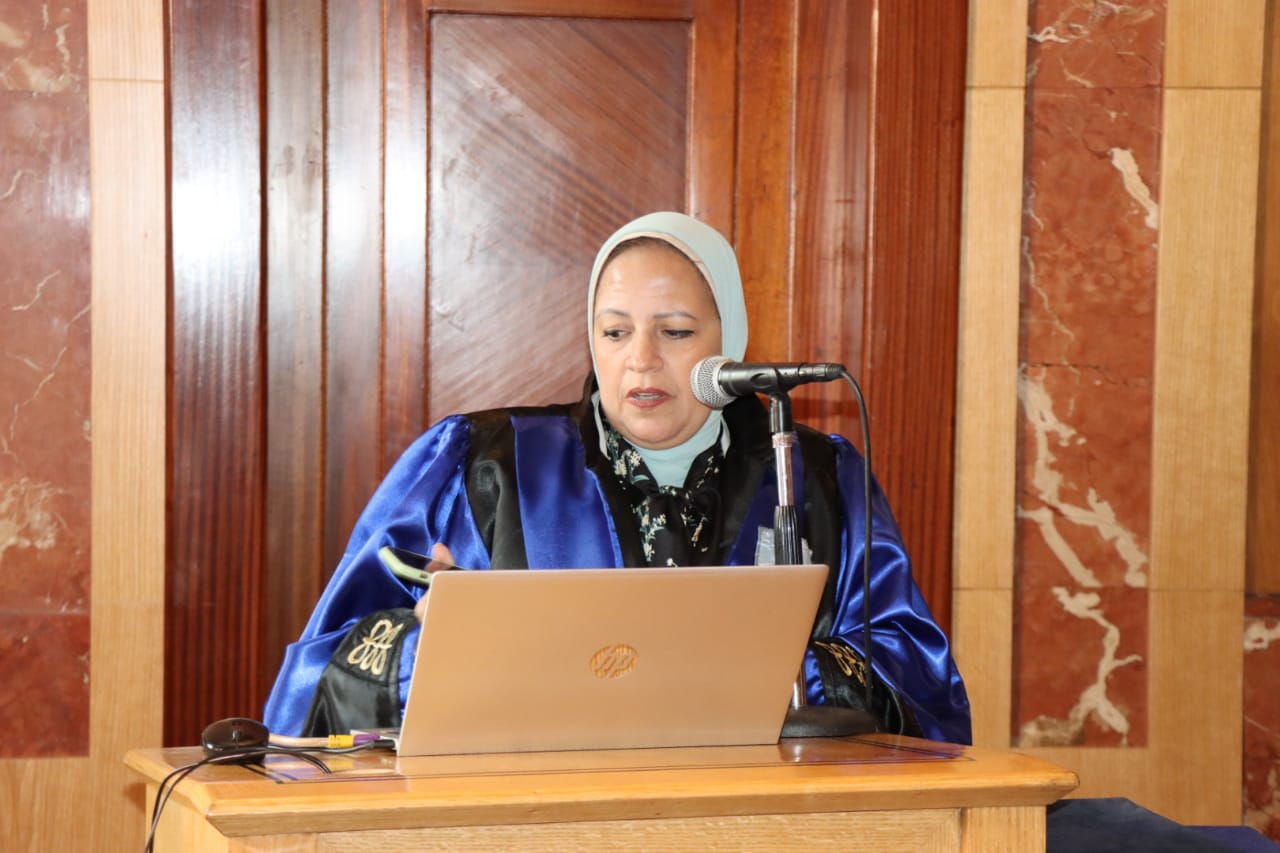
In her remarks, Prof. Heba El-Kady highlighted that this summer school, the first of its kind at the Institute, aimed to promote the “One Health” concept that links human, animal, and environmental health. The intensive training program engaged 43 participants through interactive lectures, applied workshops, and group activities designed to build capacities, encourage critical thinking, foster interdisciplinary collaboration, and strengthen the principles of synergy and coordination at the heart of the “One Health” approach. She emphasized that this initiative reflects the Institute’s pioneering role in capacity building and in advancing local and international partnerships to achieve sustainable development goals and improve public health in Egypt and the region.
Prof. Zeinab Sheta added that the program addressed several key themes, including the foundations and principles of “One Health,” surveillance and outbreak investigation, zoonotic diseases, antimicrobial resistance (AMR), health policies and governance, environmental changes and their impact on public health, as well as community engagement and combating “infodemics.” She noted that participants also developed innovative group projects offering practical solutions to current health challenges, reflecting a strong spirit of teamwork, collaboration, and innovation.